Pelvic Floor and Stress in Men in Brisbane: Can Stress Cause Pelvic Floor Symptoms?


Pelvic Floor and Stress in Men in Brisbane

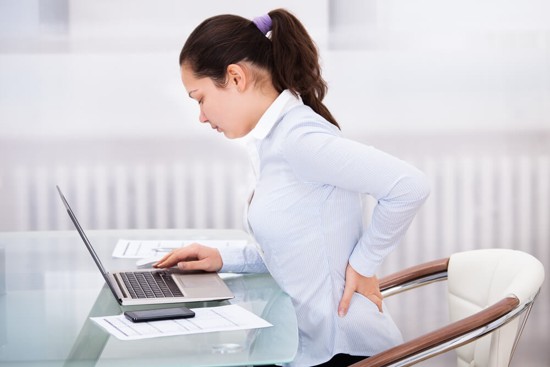
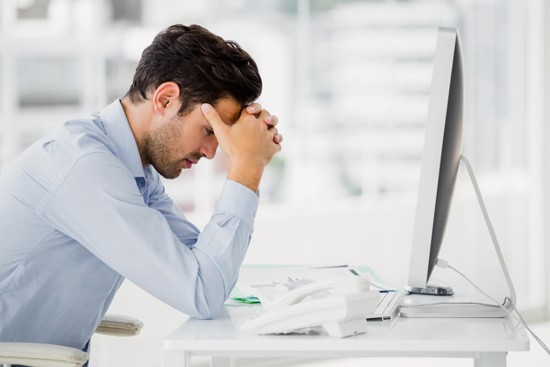
Most people think of stress as something that affects the mind, but it can also have a significant impact on the body. When stress levels remain high for extended periods, muscles throughout the body tend to tighten without us even realising it. For many men, this tension can develop in the pelvic floor, contributing to discomfort and changes in bladder, bowel or sexual function.

The connection between the pelvic floor and stress is often overlooked, which means symptoms may persist even when medical tests show no obvious physical cause.

How Stress Affects the Pelvic Floor

When we feel stressed, the body’s natural response is to prepare for action. Muscles tighten, breathing becomes shallower, and the nervous system becomes more alert. While this response is useful in short bursts, ongoing stress can keep muscles in a constant state of tension.

The pelvic floor is no exception. Over time, stress and pelvic floor tension can make it difficult for the muscles to fully relax and function normally. This may lead to discomfort, pressure or a feeling of tightness around the pelvis.

Some men are surprised to learn that emotional stress can create very real physical symptoms, particularly when tension builds gradually over weeks or months.

The Nervous System and the Pelvic Floor

So why does stress end up in the pelvic floor? A big part of the answer is the autonomic nervous system, which controls things you don’t consciously manage, like heart rate, digestion and muscle tone. It has two main branches that pull in opposite directions.

The sympathetic system is your “fight or flight” response. When it switches on, your breathing gets quicker and shallower and your muscles brace for action, including the pelvic floor. That’s fine when the stress passes quickly. But if the pressure lasts for weeks or months, the pelvic floor can stay tense and overactive, which can leave the muscles sore, tired and poorly coordinated.

The parasympathetic system is your “rest and digest” response. It lets muscles relax, including the pelvic floor, and supports normal bladder, bowel and sexual function. When the body is stuck in a stressed state, this system struggles to do its job, which is why men under ongoing stress can notice urgency, trouble emptying the bladder, bowel changes or sexual difficulties, even when nothing is structurally wrong.

The good news is that this balance can be shifted. Diaphragmatic breathing (slow, deep belly breathing) helps calm the nervous system and move the body back towards a parasympathetic state. Because the diaphragm and pelvic floor work as a pair, the pelvic floor is meant to gently lengthen as you breathe in. Pelvic floor down-training builds on this by teaching you to consciously relax and release the muscles rather than constantly holding them. For many men, learning to let go is the missing piece, not strengthening.

Common Symptoms Linked to Stress

The effects of stress and pelvic floor dysfunction can vary from person to person. Some men experience symptoms related to bladder or bowel function, while others notice pain or discomfort.

Common symptoms may include:

  • Pelvic pain or aching
  • Urinary urgency or frequency
  • Difficulty emptying the bladder completely
  • Discomfort when sitting
  • Tension around the hips, groin or lower abdomen
  • Sexual health concerns

Many men ask whether stress causes pelvic pain. In some cases, the answer is yes. While other medical conditions should always be ruled out, ongoing muscle tension associated with stress can contribute to persistent pelvic discomfort.

Why Stress Management Matters

Treating symptoms without addressing stress can sometimes limit recovery. If the nervous system remains highly activated, the pelvic floor muscles may continue to tighten even when other treatments are introduced.

This is why understanding the relationship between the pelvic floor and stress is so important. Managing both the physical and emotional factors contributing to symptoms often leads to better long-term outcomes.

Addressing breathing patterns, relaxation strategies and muscle function together can help reduce the cycle of tension and discomfort.

How PPP Clinic Can Help

At Pelvic Prime & Physiotherapy (PPP Clinic), we take a comprehensive approach to men’s pelvic health. Our physiotherapists assess pelvic floor function, movement patterns, breathing mechanics and lifestyle factors that may be contributing to symptoms.

For men experiencing stress and pelvic floor dysfunction, treatment may include pelvic floor physiotherapy, education, relaxation techniques and practical strategies to reduce muscle tension. This can include diaphragmatic breathing and pelvic floor down-training to help calm the nervous system and encourage the muscles to relax.

We also help patients understand how stress and pelvic floor tension develop and what can be done to improve muscle relaxation and overall function.

Supporting Recovery and Wellbeing

Many men find that symptoms improve when both physical health and stress levels are addressed together. If you’ve been wondering whether stress causes pelvic pain, a thorough assessment can help identify the factors contributing to your symptoms and guide the most appropriate treatment approach.

Taking action early can help prevent symptoms from becoming more persistent and disruptive to daily life.

Book an Appointment Today

If you’re experiencing pelvic pain, bladder symptoms or ongoing tension, Pelvic Prime & Physiotherapy (PPP Clinic) can help. Book an appointment today for a personalised assessment and treatment plan tailored to your individual needs and goals.
 

Weak Pelvic Floor Symptoms in Men in Brisbane: Why Sitting All Day Can Make Them Worse

Weak Pelvic Floor Symptoms in Men in Brisbane

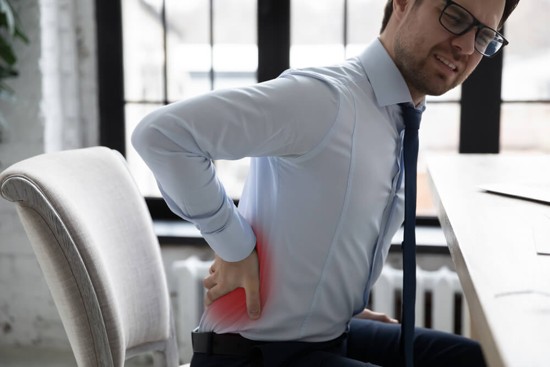
Many men spend hours each day sitting at a desk, driving or working from home without giving much thought to how it affects their body. While back and neck pain are often discussed, prolonged sitting can also have a significant impact on pelvic health. In some cases, spending most of the day seated can contribute to or worsen weak pelvic floor symptoms in men, affecting comfort, bladder function and overall wellbeing.

The pelvic floor relies on regular movement, healthy posture and good muscle coordination. When these factors are disrupted, symptoms can start to develop over time.

How Sitting Affects the Pelvic Floor

The pelvic floor is a group of muscles that supports the bladder, bowel and other pelvic structures. Sitting for long periods places continuous pressure through the pelvis, particularly around the coccyx (tailbone) and surrounding tissues.

At the same time, prolonged sitting often leads to hip stiffness and reduced pelvic movement. When the hips become restricted, the muscles around the pelvis may compensate, placing additional strain on the pelvic floor.

Poor desk posture can make matters worse by changing how pressure is distributed through the pelvis and lower back. Over time, this may contribute to a range of male pelvic floor symptoms, including discomfort, urinary issues and feelings of tension in the pelvic region.

Tight Muscles Can Cause Problems Too

Many people assume pelvic floor concerns are always related to weakness. However, muscles that remain under constant tension can be equally problematic.

Long periods of sitting may reduce blood flow and encourage the pelvic floor muscles to remain in a shortened or tightened position. This can contribute to symptoms of tight pelvic floor in men, such as pelvic pain, aching around the tailbone, difficulty relaxing the muscles or discomfort during daily activities.

Breathing mechanics can also play a role. Shallow chest breathing, which is common when sitting at a desk, may reduce the natural movement and relaxation of the pelvic floor throughout the day.

Pudendal Neuralgia: When Sitting Irritates the Nerve

Sometimes the problem isn’t the muscles at all. If you’ve got pelvic pain that doesn’t quite fit a tight or weak pelvic floor, the pudendal nerve could be the culprit.

This nerve runs through the pelvis and carries sensation to the perineum (the area between the scrotum and anus), the penis and the rectum. It also plays a part in controlling the pelvic floor muscles, bladder and bowel. If it gets squeezed, stretched or irritated, the pain that results is called pudendal neuralgia.

Sitting is one of the most common triggers. The nerve passes close to the sitting bones, so every hour spent on a hard chair puts pressure right where it’s most sensitive. Add slouched posture, tight hips, a tense pelvic floor and very little movement, and the nerve can end up under a lot of strain. Cycling and long drives tend to make it worse.

Men with pudendal neuralgia often describe:

  • Burning, aching or sharp pain in the perineum
  • Pain in the penis, scrotum or rectum
  • Numbness, tingling or pins and needles in the pelvic area
  • A sensation of sitting on a golf ball, or of something being stuck in the rectum
  • Urinary urgency or discomfort when opening the bowels

The pattern is usually the giveaway. Symptoms build up when you sit and settle when you stand up or lie down. Some men find sitting on the toilet is more comfortable, though that isn’t the case for everyone.

Because these symptoms can look a lot like other conditions, including a tight pelvic floor or prostatitis-type pain, getting a proper assessment matters. Pelvic pain that lingers or keeps getting worse shouldn’t be ignored in the hope it will go away on its own.

When Weakness Develops

While some men experience excessive muscle tension, others may develop reduced muscle strength and endurance. Limited movement and physical inactivity can affect how effectively the pelvic floor functions over time.

Common symptoms of a weak pelvic floor in men may include:

  • Urinary leakage
  • Increased urinary urgency
  • Reduced bladder control
  • Difficulty maintaining pelvic support during exercise
  • Reduced confidence in daily activities

These concerns can gradually worsen if the underlying factors are not addressed.

How PPP Clinic Can Help

At Pelvic Prime & Physiotherapy (PPP Clinic), we understand that pelvic health concerns in men are often influenced by a combination of lifestyle, movement and muscle function.

Our physiotherapists provide detailed assessments to identify the causes of weak pelvic floor symptoms in men and other pelvic health concerns. We assess posture, breathing patterns, hip mobility, pelvic floor function and movement habits to gain a complete picture of what may be contributing to your symptoms.

Whether you are experiencing male pelvic floor symptoms, symptoms of a tight pelvic floor in men or symptoms of a weak pelvic floor in men, treatment is tailored to your individual needs and goals.
Small Changes Can Make a Big Difference

Improving pelvic health often starts with simple changes. Regular movement, better posture, improved breathing patterns and targeted physiotherapy can help reduce symptoms and improve function.

Early intervention can also help prevent minor concerns from becoming ongoing problems.

Book a Consultation Today

If sitting for long hours is affecting your pelvic health, Pelvic Prime & Physiotherapy (PPP Clinic) can help. Book a consultation today for a personalised assessment and treatment plan designed to improve comfort, function and long-term pelvic wellbeing.

Pelvic Floor Issues and Hip Pain in Brisbane: Are They Connected?

Pelvic Floor Issues and Hip Pain in Brisbane


If you’ve been dealing with persistent hip pain, you may not immediately think about your pelvic floor. However, the two are more connected than many people realise. The muscles, joints and nerves around the pelvis and hips work closely together to provide stability, support and movement. When one area isn’t functioning well, the other often has to compensate.

For some people, pelvic floor issues and hip pain can occur at the same time, making it difficult to identify the true source of the problem. Understanding this relationship is an important step towards finding effective treatment and lasting relief.

The Connection Between the Pelvic Floor and Hip

One of the key muscles linking these regions is the obturator internus, a deep hip muscle that sits alongside the pelvic floor. A common question physiotherapists hear: is the obturator internus a pelvic floor muscle? The answer is no, but it works very closely with the pelvic floor muscles and plays an important role in hip stability and pelvic function.

When the pelvic floor becomes tight, weak or poorly coordinated, the obturator internus may also become overloaded. This can contribute to discomfort in the hips, buttocks, groin or pelvic region.

In fact, the relationship between the obturator internus and pelvic pain is well recognised, particularly in people who experience ongoing pelvic tension or movement dysfunction.

How Movement Patterns Can Contribute

The body is designed to distribute load efficiently. When one muscle group is not doing its job properly, other muscles often step in to compensate.

Weakness or tension in the pelvic floor can affect how the gluteal muscles, hip adductors and core muscles work together. Over time, these changes may alter movement patterns and increase stress through the hips and pelvis.

Compensation can also occur around the sacroiliac joint (SIJ), creating stiffness, discomfort and reduced mobility. This is one reason why obturator internus pelvic floor dysfunction is often assessed as part of a broader movement evaluation rather than in isolation.

Common Symptoms

Because the hip and pelvic floor are closely linked, symptoms can vary from person to person.

Common signs may include:

  • Hip or groin pain
  • Pelvic discomfort or heaviness
  • Pain when sitting for long periods
  • Reduced hip mobility
  • Lower back or SIJ pain
  • Difficulty with exercise or daily activities

Many people experiencing pelvic floor issues and hip pain find that treating only one area provides temporary relief, while the underlying cause remains unresolved.

How PPP Clinic Can Help

At Pelvic Prime & Physiotherapy (PPP Clinic), we take a comprehensive approach to assessment and treatment. Rather than focusing solely on the site of pain, we examine how the pelvic floor, hips, core and surrounding muscles work together.

Our physiotherapists assess movement patterns, muscle function and joint mechanics to identify contributing factors. This includes evaluating whether obturator internus pelvic floor dysfunction may be affecting symptoms.

We also help answer important questions, such as whether the obturator internus is a pelvic floor muscle, and explain how the different structures of the pelvis and hip interact.

Treatment may include pelvic floor rehabilitation, movement retraining, strengthening exercises and strategies to improve mobility and reduce pain.

Addressing the Root Cause Matters

The connection between the obturator internus and pelvic pain highlights how closely linked the hip and pelvic floor can be. By identifying and treating the underlying cause, it is often possible to improve function, reduce discomfort and achieve longer-lasting results.

Book an Assessment Today

If you’re experiencing hip pain, pelvic discomfort or both, Pelvic Prime & Physiotherapy (PPP Clinic) can help. Book an appointment today for a comprehensive assessment and personalised treatment plan designed to support both your hip and pelvic health.

Pelvic Floor Dysfunction and Constipation: How Are They Linked?

Constipation can affect bowel-emptying mechanics and pelvic floor symptoms.

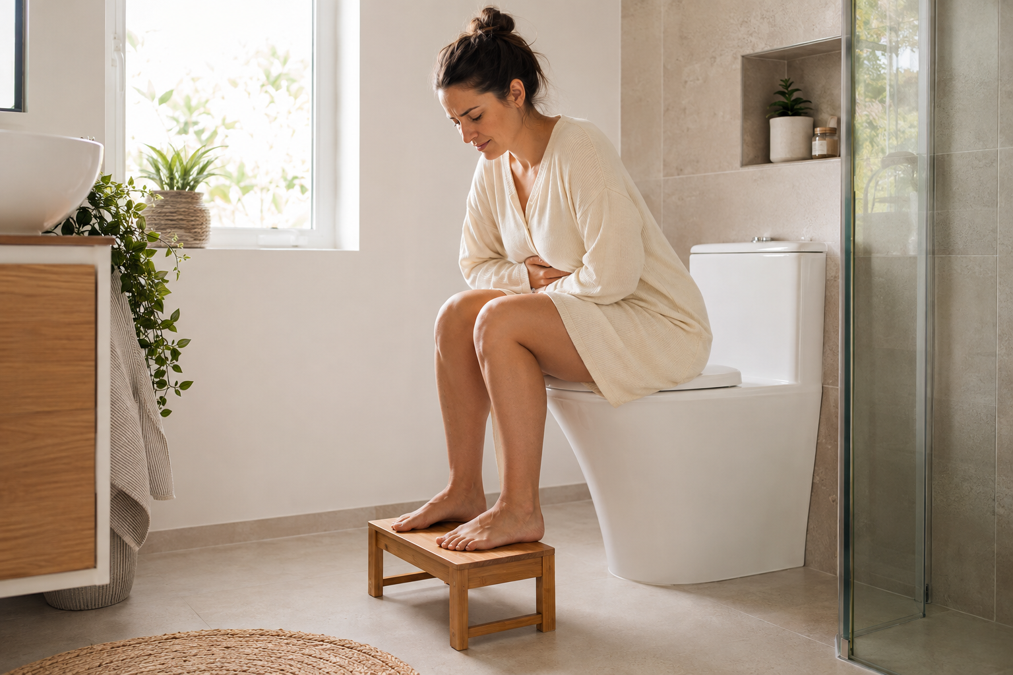
Constipation is not only a digestive issue. Passing a bowel motion requires the abdominal muscles, diaphragm and pelvic floor to work together. When stools are hard, bowel motions are infrequent or emptying requires repeated straining, this coordination can become more difficult.

For some people, constipation and pelvic floor dysfunction occur together. The pelvic floor may have difficulty relaxing during a bowel motion, or repeated straining may aggravate pelvic pressure, heaviness, pain or prolapse symptoms.

How the Pelvic Floor Supports Bowel Emptying

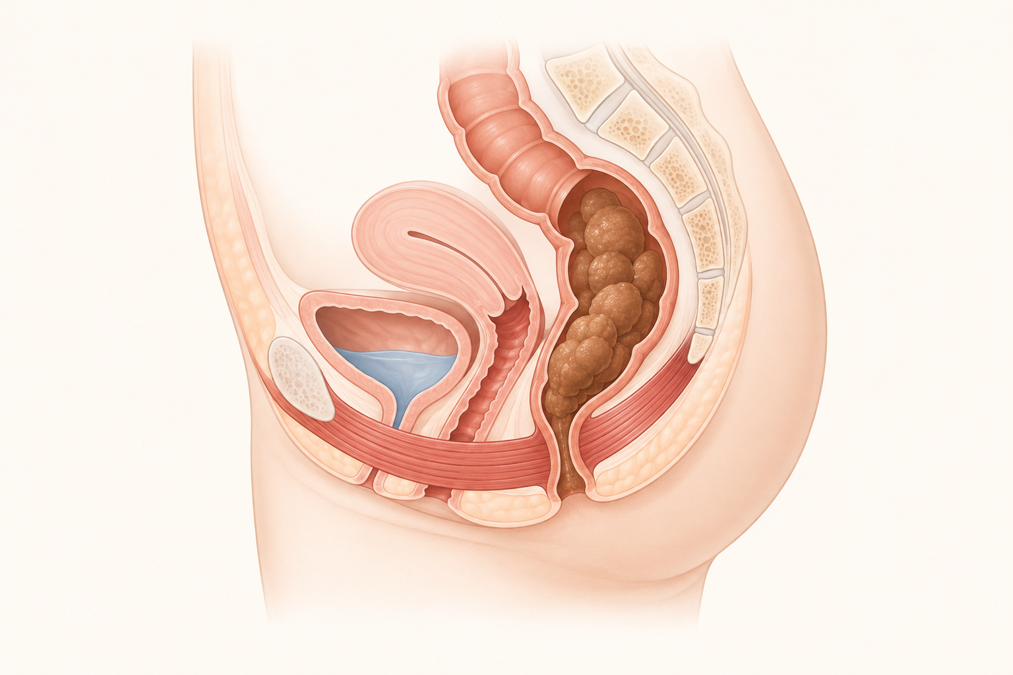
The pelvic floor supports the bladder, bowel and pelvic organs and helps maintain continence. During a bowel motion, however, these muscles need to lengthen and relax while pressure from the abdomen helps move stool through the rectum.

The pelvic floor must coordinate with the abdomen and relax appropriately during bowel emptying.

If the pelvic floor contracts instead of relaxing, or does not relax sufficiently, emptying may feel blocked or incomplete. This is often described as a defecatory disorder or dyssynergic defecation.

Common signs may include:

  • Straining during bowel movements
  • Spending a long time on the toilet
  • Feeling that the bowel has not emptied completely
  • Returning to the toilet repeatedly
  • Using the fingers or vaginal support to assist emptying

Research by Bharucha and Lacy (2020) explains that constipation can have different causes, including slow bowel transit and difficulty coordinating the muscles involved in emptying. This is why constipation treatment should be based on the individual cause rather than assuming everyone simply needs more fibre.

How Constipation May Affect Pelvic Floor Symptoms

Repeated straining increases pressure through the abdomen and pelvic cavity. Constipation does not automatically cause pelvic floor dysfunction, but it can aggravate symptoms when the pelvic floor muscles or pelvic support tissues are already under strain.

Possible symptoms include:

  • Difficulty starting or completing a bowel movement
  • A sensation of incomplete emptying
  • Pelvic floor or anal pain during or after bowel movements
  • Pelvic heaviness, pressure or vaginal bulging
  • Urinary urgency, leakage or difficulty emptying the bladder
  • The need to strain or use manual support to empty the bowel

Constipation has also been identified as one of several factors associated with pelvic organ prolapse. A systematic review and meta-analysis by Fitz et al. (2023) found an association between constipation and prolapse. However, prolapse can also be influenced by childbirth history, age, body weight, connective tissue and other factors.

How Pelvic Floor Physiotherapy May Help

Pelvic floor physiotherapy begins by identifying what is making bowel emptying difficult.

An assessment may consider:

  • Bowel frequency and stool consistency
  • Toileting position and straining habits
  • Breathing and abdominal pressure management
  • Pelvic floor muscle relaxation and coordination
  • Symptoms of pain, pressure or incomplete emptying

Treatment is individualised and may include:

  • Education about normal bowel function and stool consistency
  • A more effective toileting position and emptying technique
  • Breathing strategies to reduce unnecessary straining
  • Pelvic floor relaxation and coordination training
  • Biofeedback or other retraining strategies when appropriate
  • Advice about physical activity, fluid and fibre intake
  • Medical or dietetic referral when required

Pelvic floor treatment is not always about strengthening. If the muscles are overactive or poorly coordinated, treatment may initially focus on learning to relax and lengthen the pelvic floor during bowel emptying.

Research by Wallace et al. (2019) describes pelvic floor physiotherapy as functional retraining that may address strength, endurance, relaxation and coordination according to the person’s individual presentation.

For people with a confirmed defecatory disorder, anorectal biofeedback may also be helpful. Bharucha and Lacy (2020) report that these conditions often respond to biofeedback-based retraining.

When Should Constipation Be Medically Assessed?

Please speak with your GP if your constipation is new, persistent or worsening. Seek medical advice promptly if you notice bleeding, unexplained weight loss, significant pain or other concerning changes.

An Individualised Approach Matters

Constipation can be influenced by stool consistency, medication, diet, bowel transit, pelvic floor coordination or a combination of factors. The most appropriate treatment therefore depends on what is contributing to your symptoms.

At Pelvic Prime & Physiotherapy, we assess pelvic floor function together with bowel-emptying habits to develop an individualised management plan.

If constipation is contributing to pelvic pain, pressure, prolapse symptoms or difficulty emptying, a pelvic health physiotherapy assessment can help identify an appropriate treatment approach.

Book a Pelvic Health Assessment

If constipation is affecting your pelvic health, contact Pelvic Prime & Physiotherapy in Brisbane to arrange a personalised pelvic floor and bowel assessment.

Research Sources

Bharucha AE, Lacy BE. (2020). Mechanisms, evaluation, and management of chronic constipation. Gastroenterology, 158(5), 1232-1249.e3.

Fitz FF, et al. (2023). Lifestyle and comorbidities as risk factors for pelvic organ prolapse: a systematic review and meta-analysis. International Urogynecology Journal.

Wallace SL, Miller LD, Mishra K. (2019). Pelvic floor physical therapy in the treatment of pelvic floor dysfunction in women. Current Opinion in Obstetrics & Gynecology, 31(6), 485-493.