
Constipation
Book nowConstipation Treatment with Biofeedback and Balloon Training in Brisbane
Constipation can affect daily comfort in ways that are often underestimated. It may involve infrequent bowel movements, difficulty passing stool or a constant feeling of incomplete emptying. Over time, these constipation symptoms can begin to interfere with routine, diet and overall wellbeing.
While many people try to manage symptoms through diet or over-the-counter constipation remedies, these approaches do not always address the underlying cause. In some cases, the issue is related to how the pelvic floor muscles are coordinating during bowel movements.
At Pelvic Prime & Physiotherapy, we provide targeted constipation treatment using biofeedback and balloon training techniques. This approach focuses on retraining muscle function to support more effective and comfortable bowel movements.
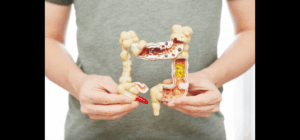
Understanding Constipation and Pelvic Floor Function
Not all constipation is caused by diet alone. For some individuals, the difficulty lies in how the muscles of the pelvic floor and rectum work together.
When these muscles don’t coordinate properly, it can make it harder to pass stool even when the urge is present. This type of dysfunction may not improve with standard constipation remedies such as fibre supplements or increased fluid intake.
Common constipation signs linked to pelvic floor dysfunction include:
- Straining during bowel movements
- A sensation of incomplete emptying
- Prolonged time spent on the toilet
- Discomfort or difficulty initiating a bowel movement
Recognising these patterns is an important step in selecting the right form of constipation treatment.
How Biofeedback and Balloon Training Work
Biofeedback therapy is a non-invasive technique that helps individuals understand and retrain their muscle activity.
During treatment, specialised equipment is used to provide real-time feedback on how the pelvic floor muscles are functioning. This allows patients to see when muscles are tightening or relaxing and learn how to adjust their response.
Balloon training is often used alongside biofeedback. A small balloon device is gently inserted and used to simulate the sensation of needing to pass a bowel movement. This helps improve awareness, timing and coordination.
At Pelvic Prime & Physiotherapy, this combined approach supports:
- Improved muscle coordination during bowel movements
- Reduced straining and discomfort
- Better awareness of rectal sensation
- Gradual improvement in bowel habits
In addition to in-clinic therapy, patients may also be guided through specific constipation exercises to support progress between sessions.
A Structured and Individualised
Treatment Approach
Effective constipation treatment requires more than a single technique. At Pelvic Prime & Physiotherapy, care begins with a detailed assessment to understand your symptoms, medical history and contributing factors.
From there, a personalised plan is developed. This may include:
- Biofeedback sessions to improve muscle control
- Balloon training to support coordination
- Education on bowel habits and positioning
- Guidance on appropriate constipation remedies where needed
Progress is reviewed regularly, and treatment is adjusted based on how symptoms change over time.
Many individuals find that once muscle coordination improves, bowel movements become more consistent and require less effort.
FAQs About Constipation
Constipation caused by pelvic floor dysfunction can happen when the pelvic floor muscles do not relax or coordinate properly during a bowel movement. Instead of allowing stool to pass easily, the muscles may tighten, hold on or move in an unhelpful pattern. This can make bowel emptying feel difficult, incomplete or painful, even when stool consistency is not the only issue.
Signs may include ongoing straining, difficulty starting a bowel movement, a feeling of incomplete emptying, constipation pain, needing to sit on the toilet for a long time, or feeling blocked even when you need to go. Some people may also experience pelvic pressure, bloating, anal or rectal discomfort, or worsening symptoms when stressed or tense. If symptoms are new, persistent or worsening, medical assessment is recommended.
A bowel movement requires coordinated movement between the abdomen, rectum, anal sphincter and pelvic floor muscles. The pelvic floor needs to relax at the right time while the body uses gentle pressure to empty the bowel. If the pelvic floor muscles tighten instead of relaxing, emptying can become harder. This is sometimes called dyssynergic defecation or poor pelvic floor coordination. Pelvic floor physiotherapy can help identify whether coordination, tension or muscle control is contributing to your constipation symptoms.
A constipation assessment usually begins with a private discussion about your bowel habits, symptoms, medical history, diet, fluid intake, medication, toilet routine, pelvic symptoms and any pain or straining. Your physiotherapist may also assess breathing, posture, abdominal movement, pelvic floor function and toileting mechanics where appropriate. Everything should be explained clearly before it happens, and your comfort and consent remain central throughout the appointment. PPP Clinic provides discreet support for faecal incontinence and bowel dysfunction in Brisbane, including chronic constipation, straining and incomplete emptying.
Biofeedback therapy uses equipment or guided feedback to help you understand how your pelvic floor muscles are working. It can help show whether the muscles are tightening, relaxing or coordinating correctly during simulated bowel-emptying movements. For constipation linked to pelvic floor dysfunction, biofeedback may help retrain the muscles so they respond more effectively. This can be especially useful when someone is unsure how to relax or coordinate the pelvic floor during a bowel movement.
Balloon training may be used in some bowel retraining programs to help improve rectal sensation, pelvic floor relaxation and coordination. It can help a person practise the feeling and process of emptying in a guided clinical setting. This type of training is not needed for everyone. Your physiotherapist will consider your symptoms, assessment findings and comfort before recommending whether it is appropriate.
For some people, constipation exercises focus on relaxation and coordination rather than strengthening. If the pelvic floor is already overactive or tense, doing more strengthening exercises may not be the right first step. You may also be referred back to your GP or another health professional if symptoms suggest a medical cause, medication issue or need for further investigation.
Pelvic floor physiotherapy may help reduce straining when constipation is linked to poor pelvic floor coordination, tension or toileting mechanics. Learning how to relax the pelvic floor, breathe effectively and use a better bowel-emptying position can make bowel movements feel easier for some people. It can also help reduce the cycle of straining, pelvic pressure and frustration. Progress depends on the cause of constipation, how long symptoms have been present and whether other medical or lifestyle factors are involved. Seek medical advice promptly if constipation is associated with bleeding, unexplained weight loss, severe pain, vomiting, fever, sudden changes in bowel habits or symptoms that are getting worse.
Book For Constipation (balloon training for defecation) biofeedback machine
If you are experiencing ongoing constipation symptoms that are not improving with standard approaches, it may be helpful to explore a more targeted solution. Contact Pelvic Prime & Physiotherapy in Brisbane to arrange an assessment and discuss whether biofeedback and balloon training may be suitable for you.