How Pelvic Floor Weakness Destabilises Your Entire Core

The pelvic floor forms the foundation of your entire core system. When these muscles are weak or poorly coordinated, the body loses stability, which can affect posture, balance, everyday movement, and sporting performance.

Understanding the role of the pelvic floor is essential for treating the root cause of many musculoskeletal problems, rather than simply managing symptoms such as back pain or poor posture.

What Weak Pelvic Floor Muscles Actually Do

Loss of Postural Support

Weak pelvic floor muscles can contribute to pelvic instability, which may lead to poor spinal alignment. Over time, this can result in postural changes such as slouching, anterior pelvic tilt, and inefficient movement patterns that place additional strain on joints and muscles.

Common signs of postural breakdown include:

  • Rounded shoulders or slouching
  • Forward head posture
  • Excessive arching of the lower back or Anterior pelvic tilt
  • Muscle imbalances, where some muscles become tight while others weaken

Without proper pelvic support, these imbalances can create a cycle of ongoing discomfort and reduced function.

Compromised Movement Efficiency

The core system works as a coordinated pressure system to support safe and efficient movement. When the pelvic floor is weak, other muscles are forced to compensate.

This can lead to:

  • Poor glute activation
  • Reduced abdominal bracing
  • Overuse of lower back muscles
  • Increased fatigue during everyday tasks

As a result, movements such as lifting, bending, or exercising may feel harder and less controlled.

Reduced Balance and Body Awareness

The pelvic floor plays an important role in balance and proprioception — your body’s ability to sense movement and position. Weakness in this area can reduce stability and increase fall risk, particularly as people age.

You may notice:

  • Difficulty balancing on one leg
  • Reduced confidence walking on uneven surfaces
  • Feeling unstable during dynamic movements
  • Hesitation during activities that require coordination or control

Signs Your Pelvic Floor May Need Attention

You may benefit from pelvic floor assessment and rehabilitation if you experience:

  • Urinary leakage during exercise, coughing, or laughing
  • Persistent lower back pain without a clear cause
  • Difficulty maintaining good posture despite conscious effort
  • Hip instability or unexplained hip discomfort
  • Reduced ability to perform high-impact activities such as running or jumping
  • Loss of confidence in movement or balance

Strengthening Your Pelvic Floor

Physiotherapy-led pelvic floor rehabilitation focuses on improving muscle activation, coordination, and overall core function. Treatment may include:

  • Targeted pelvic floor strengthening exercises
  • Breathing and pressure management training
  • Postural retraining and movement education
  • Progressive functional strengthening programs
  • Manual therapy to release tension that may limit muscle activation

Programs are individualised to ensure exercises are safe, effective, and suited to your goals and activity levels.

Long-Term Benefits of Pelvic Floor Strengthening

  • Improved posture and spinal support
  • Reduced back and pelvic pain
  • Enhanced athletic performance and power generation
  • Greater confidence in movement and daily activities
  • Improved injury prevention and physical resilience

With the right rehabilitation approach, strengthening the pelvic floor can help restore control, stability, and confidence in your body’s ability to move efficiently.
How Hydrotherapy Manages Chronic Pain Effectively

Hydrotherapy offers a gentle yet highly effective way to manage chronic pain, particularly for conditions that may not respond well to traditional land-based exercise or medical treatments. Exercising in warm water reduces the effects of gravity, allowing your body to move with significantly less strain and discomfort.

The supportive environment of a therapeutic pool allows patients to perform movements that may feel difficult or painful on land. This helps improve mobility, strength, and confidence while reducing pain levels, making hydrotherapy an important part of many rehabilitation programs.

The Science Behind Water Therapy

Four Healing Properties of Water

Hydrotherapy works because of the unique physical properties of water:

Buoyancy

Water supports your body weight, reducing joint and tissue stress. Waist-deep water can reduce body weight by around 50%, while chest-deep water can reduce it by up to 70%. This allows people to move more freely and comfortably than they may be able to on land.

Hydrostatic Pressure

The natural pressure of water helps improve blood circulation and reduce swelling. It also supports lymphatic drainage, which assists in managing inflammation and fluid retention.

Water Resistance

Water provides gentle, consistent resistance in every direction. This allows you to build strength safely without placing excessive strain on joints or relying on heavy weights.

Warmth

Therapeutic pools are typically heated to relax muscles, reduce stiffness, improve tissue flexibility, and help reduce pain signals sent to the brain.

Pain Relief Mechanisms

Hydrotherapy supports pain relief through several biological and psychological pathways. Warm water helps relax muscles and reduce muscle spasms, which can interrupt ongoing pain cycles. Gentle exercise stimulates the release of endorphins — the body’s natural pain-relieving chemicals — which also help improve mood.

Research shows hydrotherapy can be particularly beneficial for individuals with fibromyalgia, helping reduce pain, stiffness, fatigue, anxiety, and depression symptoms.

Building Confidence Through Movement

Many people living with chronic pain develop a fear of movement, often due to concerns that exercise will worsen their symptoms. This fear can lead to reduced activity levels, muscle weakness, and increased pain over time.

Hydrotherapy provides a safe, supportive environment that helps rebuild confidence in movement. As patients gradually experience improved comfort and mobility, they often regain trust in their body’s ability to move without triggering significant pain.

Conditions That May Benefit from Hydrotherapy

Hydrotherapy can support a wide range of chronic pain conditions, including:
• Arthritis and joint degeneration
• Fibromyalgia
• Post-surgical rehabilitation
• Chronic back and neck pain
• Neuropathy and nerve-related pain
• General musculoskeletal pain conditions

By improving both physical function and mental wellbeing, hydrotherapy can play an important role in long-term pain management.

What to Expect During Hydrotherapy Sessions

Hydrotherapy programs are tailored to each individual’s condition, goals, and physical capacity. Sessions typically run for around 30 minutes and are often scheduled weekly over a 5–6 week period, depending on your treatment needs.
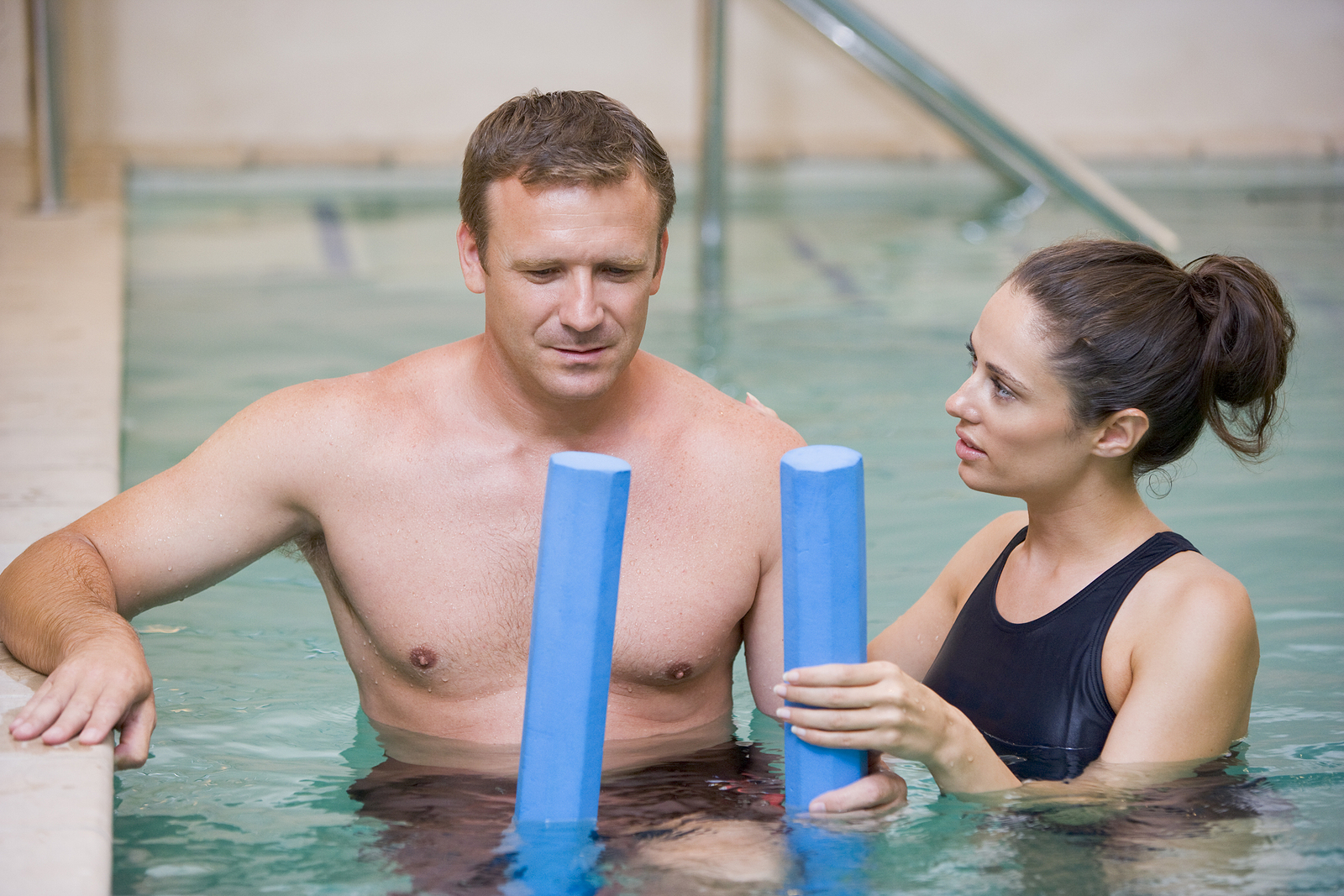
Exercises are guided by a physiotherapist in a heated pool maintained at approximately 33–36°C. The water depth is carefully selected to provide stability, support balance, and allow controlled movement.
Sessions usually begin with gentle walking and stretching exercises before gradually progressing to strengthening, balance, and mobility training as confidence and pain tolerance improve.

Maximising Long-Term Results

Hydrotherapy is most effective when combined with a broader rehabilitation plan. This may include:
• Pain education
• Psychological support strategies
• Individualised home exercise programs
• Strength and conditioning exercises

A multidisciplinary approach helps patients build long-term self-management skills, reduce flare-ups, and maintain independence in daily activities.

How Pelvic Floor Therapy Manages Chronic Back Pain

Your pelvic floor is a vital part of your deep core system. It works together with your diaphragm, deep abdominal muscles, and spinal stabilisers to support your spine and allow your body to move efficiently.

When this system is not functioning properly, the lower back often compensates. Over time, this increased strain can lead to persistent pain, stiffness, and reduced mobility. Many people living with chronic back pain are unaware that pelvic floor dysfunction may be contributing to their symptoms.

How the Pelvic Floor Affects Back Pain

The Core System

A healthy core involves much more than strong abdominal muscles. The core functions as a coordinated pressure and stability system that:
• Supports and stabilises the spine
• Pressure regulation between the diaphragm, abdomen, pelvic floor, and spinal stabilisers
• Allows smooth, controlled movement
• Protects the body during lifting, bending, and physical activity
When the pelvic floor is either weak or overactive, this system becomes unbalanced. As a result, the muscles in the lower back often work harder to maintain stability, which can lead to fatigue, tension, and ongoing discomfort.

Weak vs Overactive Pelvic Floor

Pelvic floor dysfunction can present in different ways, and both weakness and excessive tension can contribute to back pain.

Weak Pelvic Floor and Lower Back Pain

When pelvic floor muscles lack strength or coordination:
• Core stability may be reduced
• Lower back muscles may take on increased workload
• Muscle fatigue and persistent discomfort can develop
• Postural changes and poor movement patterns may occur

Overactive (Tight) Pelvic Floor and Lower Back Pain

When pelvic floor muscles remain overly tense or unable to relax:
• Muscles stay contracted instead of lengthening normally
• Pain may radiate into the lower back, hips, or sacroiliac (SI) joint
• Movement can become restricted or uncomfortable
• Symptoms may be complex and difficult to identify
Research suggests that combining pelvic floor muscle rehabilitation with physiotherapy treatment for back pain can improve long-term outcomes. Addressing pelvic floor function helps target the underlying cause of pain rather than focusing solely on the back.

What Happens During Pelvic Floor Therapy?

Comprehensive Assessment

Pelvic floor physiotherapy begins with a detailed assessment designed to identify the source of dysfunction. Your physiotherapist may evaluate:
• Pelvic floor sensation, pelvic floor muscle strength, endurance, and tension levels
• Coordination between breathing, pelvic floor, and deep core muscles
• Posture, canister position, movement patterns, and spinal alignment
• Overall muscle control and body mechanics
This assessment helps determine whether pelvic floor weakness, overactivity, or poor coordination is contributing to your back pain.

Personalised Treatment Plan

Treatment is tailored to your individual needs and goals. Your rehabilitation program may include:
• Targeted strengthening exercises to improve pelvic floor support
• Down-training techniques to relax overactive or tense muscles
• Postural and movement retraining to reduce lower back strain
• Breathing and core coordination training to improve deep stabilisation
• Manual therapy to release tight pelvic floor, hip, and lower back tissues
Pelvic floor therapy focuses on addressing the root cause of dysfunction to support long-term recovery.

Why Specialist Pelvic Floor Physiotherapy Matters

Pelvic floor rehabilitation is often most effective when combined with targeted core stability training and movement retraining. By improving both pelvic floor and spinal function, many patients experience:
• Reduced chronic back pain
• Improved spinal stability and support
• Better posture and movement efficiency
• Increased comfort and confidence during daily activities
• Improved return to exercise or sport

For individuals whose back pain has not responded to traditional treatment approaches, pelvic floor physiotherapy can provide a valuable and often overlooked pathway to recovery.

Urinary Incontinence: What It Is And How We Can Help You

At our Brisbane physiotherapy clinic, we assess the underlying cause and create personalised treatment plans to help restore bladder control, confidence, and quality of life.

What is Urinary Incontinence?

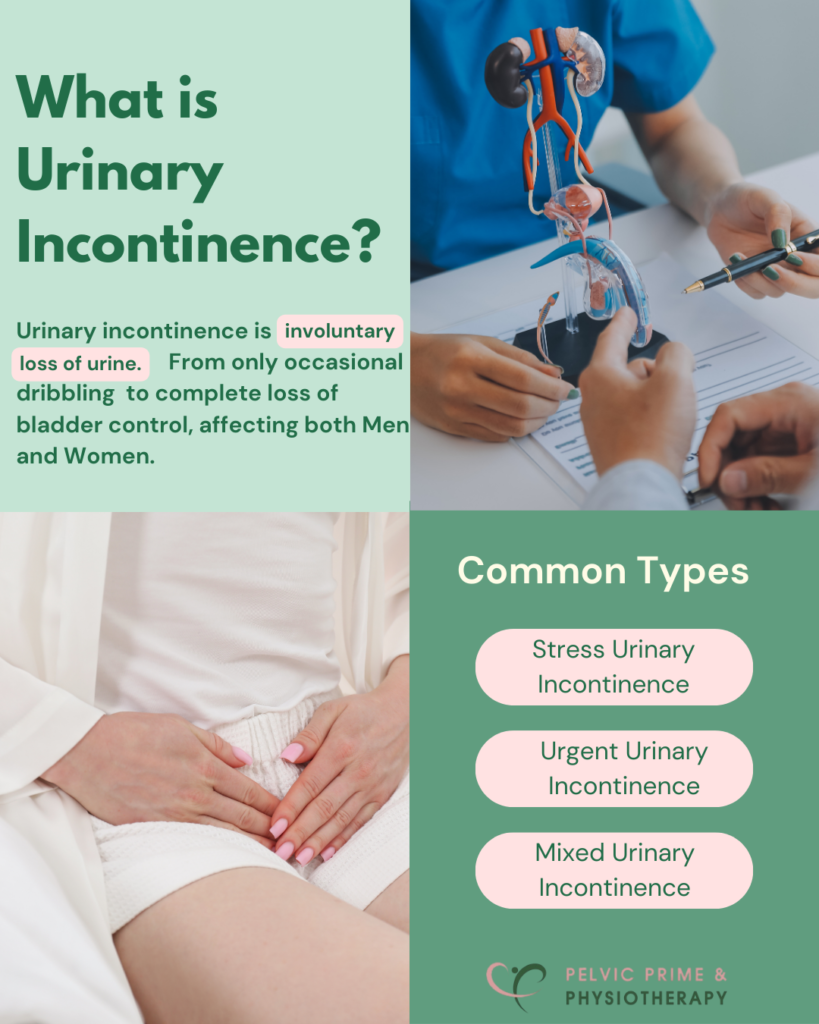
Urinary incontinence is the involuntary loss of urine, from only occasional dribbling to complete loss of bladder control affecting both men and women.

Types of Urinary Incontinence:

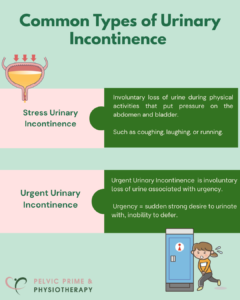
  • Stress Urinary Incontinence is the involuntary loss of urine during physical activities that put pressure on the abdomen and bladder. Such activities can include coughing, laughing and or running.
  • Urgent Urinary Incontinence is the involuntary loss of urine associated with urgency, causing a sudden strong desire to urinate with an inability to defer.
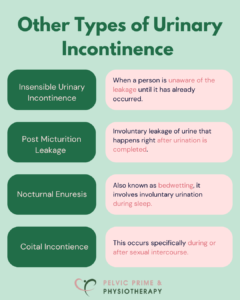
  • Insensible Urinary Incontinence occurs when a person is unaware of the leakage until it has already occurred.
  • Post-micturition Dribble is the involuntary leakage of urine that happens right after urination is completed.
  • Nocturnal Enuresis otherwise known as ‘bedwetting’, involves involuntary urination during sleep.
  • Coital Incontinence occurs specially during or after sexual intercourse.

How can we help YOU!

At Pelvic Prime and Physiotherapy we will assess the underlying cause and create a personalised treatment plan to your needs that will work towards restoring bladder control. Initial assessments may look like…

  • Bladder Diary.
  • Real Time Pelvic Floor Ultrasound.
  • Pelvic floor exercises that will either be working to relax, contract, strengthen, build endurance and or functional exercises targeted at your pelvic floor muscles.
  • TENS machine for bladder training.

Please note, each client is different in terms of treatment required and thus this is a general guide.


Book Your Pelvic Health Physio Consultation Today

Support your health journey with personalised care at Pelvic Prime & Physiotherapy in Brisbane. Contact us online or call 07 3366 0480 to book your pelvic health physiotherapy consultation today.


Pelvic floor Physiotherapy for Men’s Sexual Dysfunction: An Overlooked Solution

At Pelvic Prime & Physiotherapy in Brisbane, we know sexual health isn’t always easy to talk about. Issues like erectile dysfunction or premature ejaculation are more common than most men realise and can take a toll on confidence, relationships, and overall well-being.

Addressing sexual dysfunction often starts with simple, non-invasive strategies: maintaining a healthy lifestyle, managing stress, improving sleep, regular exercise, and seeking medical advice when needed. These steps help improve overall physical health, blood flow, and mental wellbeing, all of which support sexual function.

Understanding Sexual Dysfunction in Men

Sexual dysfunction can present in different ways, from difficulties maintaining an erection to problems with control and satisfaction. Beyond the physical challenges, these issues can lower confidence and cause emotional strain. Pelvic floor muscles play a crucial role in sexual function—weakness, tension, or lack of control in this area can contribute directly to erectile difficulties, premature ejaculation, or reduced performance. Recognising the link between pelvic health and sexual wellbeing is key to effective management.

How a Pelvic Floor Physio Can Help

Specialised men’s health physiotherapy complements general recommendations by providing targeted strategies to strengthen and relax the muscles that support blood flow, nerve function, and sexual performance. Improved pelvic floor muscle control can enhance erectile function, increase endurance, and reduce tension, making intimacy more comfortable and confident. Each program is personalised to the individual’s condition, lifestyle, and goals, addressing root causes rather than just masking symptoms.

Benefits of Early Intervention and Support

Seeking help from a men’s health physio early can accelerate recovery and reduce long-term impact. Guided exercises are more effective than attempting self-directed routines, ensuring that correct techniques are followed. Many men also experience a boost in confidence, as improvements extend beyond physical performance to emotional well-being. With consistent care, benefits can be maintained without reliance on medication or invasive procedures. Pelvic floor physiotherapy offers a sustainable and holistic way to restore sexual health naturally.

A Safe and Effective Path Forward

Men’s health Physiotherapy is often overlooked as a solution for sexual dysfunction, yet it provides measurable improvements with minimal risks. By addressing pelvic floor function and supporting overall health, men can achieve better outcomes and regain confidence in daily life. At Pelvic Prime & Physiotherapy Brisbane, our team provides discreet, professional support tailored to individual needs. Early action is key to achieving the best results and preventing symptoms from becoming long-term concerns.

Book a Men’s Health Physio Today

Take the first step toward recovery with expert care at Pelvic Prime & Physiotherapy Brisbane. Contact us online or call 07 3366 0480 to book your consultation today.


Recovery After Prostate Surgery: How Pelvic floor Physiotherapy Supports

At Pelvic Prime & Physiotherapy in Brisbane, we support men during the important stage of prostate removal recovery or procedures for benign prostatic hyperplasia (BPH). Surgery or intervention may be necessary for conditions such as prostate cancer or BPH, but the recovery process can bring challenges. These may include physical limitations and emotional stress. Pelvic floor physiotherapy provides targeted strategies to help men restore function, manage side effects and return to normal routines with more confidence.

Common Prostate Removal After Effects & Challenges

Men often face several hurdles during prostate removal recovery or BPH procedures. Urinary incontinence is one of the most common aftereffects, as the pelvic floor muscles need time to regain strength. Pelvic pain or discomfort can affect daily activities and exercise, limiting movement. Reduced mobility and function may also occur as the body adjusts post-surgery. Alongside these physical issues, the emotional impact can be significant, affecting quality of life and self-esteem. Recognising these challenges early ensures the right support can be provided at every stage.

Role of Pelvic Floor Physiotherapy in Recovery

Pelvic floor physiotherapy is a central part of post-prostatectomy care or BHP care. Pelvic floor muscle training helps strengthen muscles that support the bladder, improving control over time. Specific techniques are taught to reduce leaks and restore confidence in daily activities. Pain relief methods and mobility exercises are also included to ease discomfort and improve movement. At Pelvic Prime & Physiotherapy Brisbane, each patient receives a personalised plan tailored to their health needs. This approach ensures every stage of recovery is supported with professional guidance.

What to Expect from Your Recovery Plan

Recovery does not happen overnight, and setting realistic expectations is important. Full recovery may take several months. Early intervention is key in post-prostatectomy care; starting pelvic floor physiotherapy soon after surgery provides the best foundation for progress. During each appointment, our clinicians monitor outcomes, adapt exercises and address concerns to keep recovery on track. By following a structured plan, men can regain independence, manage side effects and improve overall well-being with the right support.

Building Confidence Through Guided Care

Including pelvic floor physiotherapy in a recovery pathway offers clear advantages. By addressing both physical and emotional challenges, men are better equipped to resume work, exercise and social activities. Expert guidance ensures exercises are performed correctly and safely, preventing strain and setbacks. At Pelvic Prime & Physiotherapy, we focus on practical outcomes such as improved control, reduced pain and restored mobility. This care helps patients feel supported during a sensitive stage of life, while laying the foundation for long-term health and minimising prostate removal after effects.

Start Your Recovery with Pelvic Physiotherapy

Take control of your prostatectomy recovery or BHP care with personalised care at Pelvic Prime & Physiotherapy Brisbane. Contact us online or call 07 3366 0480 to book your consultation today.

Male Pelvic Floor Exercises: Myths and Facts

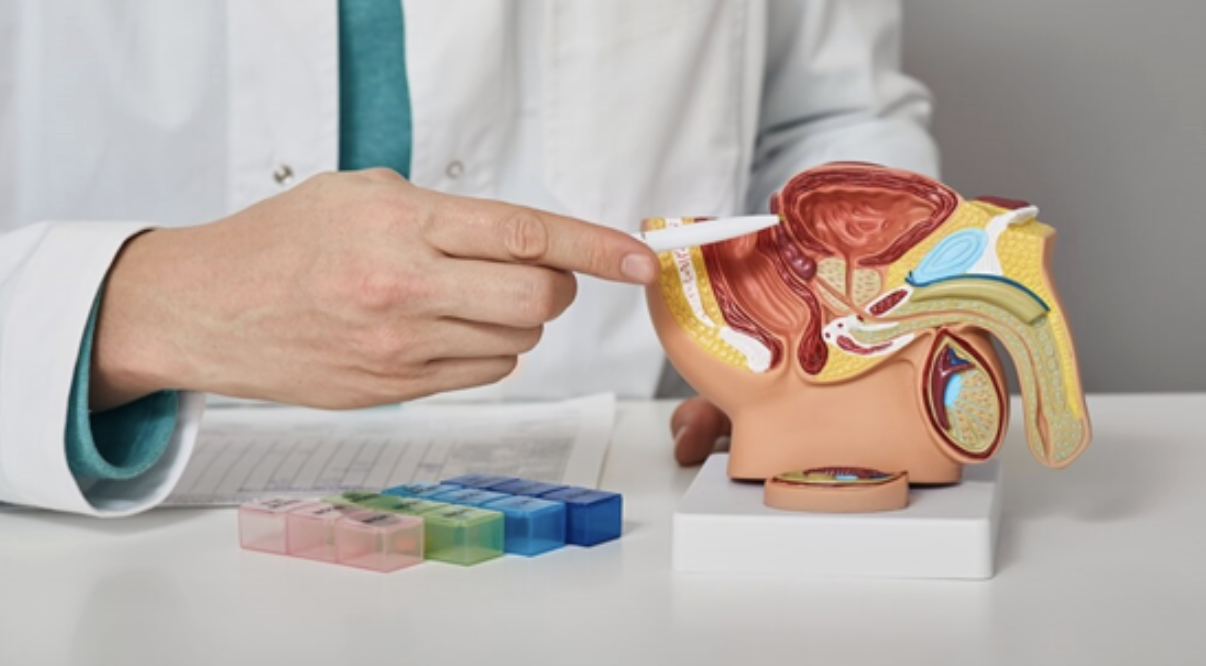
At Pelvic Prime & Physiotherapy in Brisbane, we see many men dealing with concerns linked to the male pelvic floor muscles. These muscles sit at the base of the pelvis and play a vital role in bladder control, sexual health and core stability. Despite their importance, there are many misunderstandings that can prevent men from seeking help or performing the right exercises. This blog clears up myths, explains the facts and shows how proper support can make a difference. 

Common Myths About Pelvic Floor Men’s Exercises

A common myth is that pelvic floor exercises are only for women. In reality, men benefit equally, as these muscles support the bladder and bowel. Another misconception is that pelvic floor work is only necessary after surgery, such as prostate procedures. While it is true that post-surgical recovery often includes these exercises, they also help with everyday function and injury prevention. Some also believe that exercises for pelvic pain in men are ineffective. Clinical research shows they can reduce discomfort and improve strength when performed correctly. Finally, many assume results come instantly. Like any training, improvements take consistency and time before noticeable changes appear. 

Facts and Health Benefits

Strengthening the pelvic floor muscles offers powerful benefits: 

  • Better bladder control – fewer leaks during exercise or daily activities. 
  • Improved sexual function – stronger muscles can support erectile performance and control. 
  • Stronger core – essential for athletes and active lifestyles. 

These improvements boost confidence, reduce stress, and support long-term pelvic health. 

How to Do Them Correctly

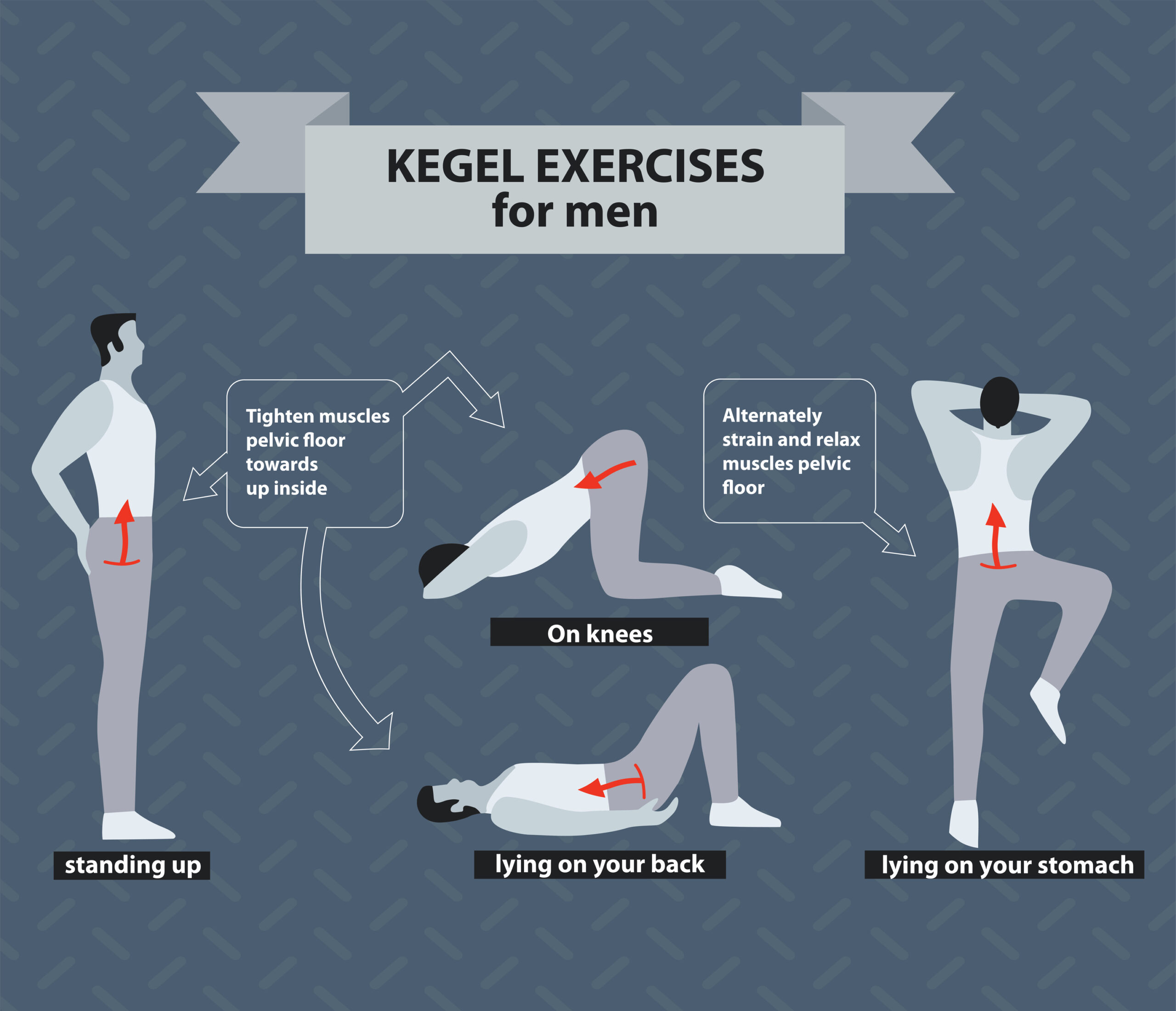
Starting pelvic floor men’s exercises requires the right technique. Because each case is unique, guidance from a pelvic floor physiotherapist is highly recommended. At Pelvic Prime & Physiotherapy Brisbane, our clinicians assess your condition, provide tailored instruction and monitor progress to ensure safe and effective outcomes. 

mens pelvic floor exercises

Key Takeaways for Men’s Pelvic Health

  • They help with bladder control, sexual function, and core stability. 
  • Proper technique and professional guidance lead to the best outcomes. 

Caring for your pelvic floor is an investment in your long-term health and quality of life. 

Book Your Pelvic Health Consultation Today

Take control of the pelvic pain in men with personalised care at Pelvic Prime & Physiotherapy Brisbane. Contact us online or call 07 3366 0480 to book your consultation today. 

Prostate cancer

Understanding Prostate Cancer & the Role of Pelvic Physiotherapy in Recovery

Prostate cancer is one of the most common cancers affecting men, particularly as they age. Early detection and holistic care—including pelvic physiotherapy—can significantly improve quality of life and long-term outcomes.


How Common Is Prostate Cancer?

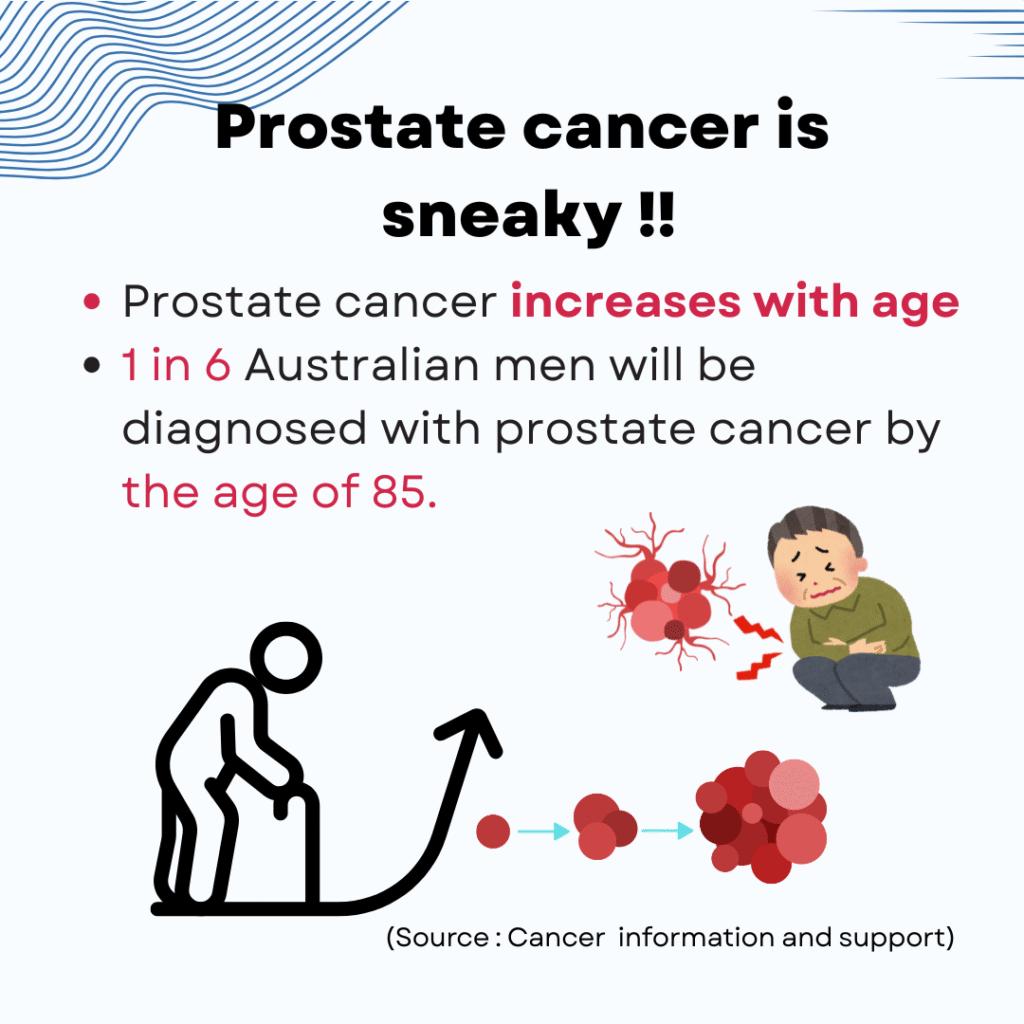
  • 📈 By age 80, up to 80% of men may have microscopic evidence of prostate cancer, even without symptoms.

  • 👥 1 in 6 Australian men will be diagnosed with prostate cancer by the age of 85.

  • Most cases occur in men aged 65–74.

  • It’s the second most commonly diagnosed cancer in Australian men, accounting for 24% of male cancers.


Symptoms of Prostate Cancer

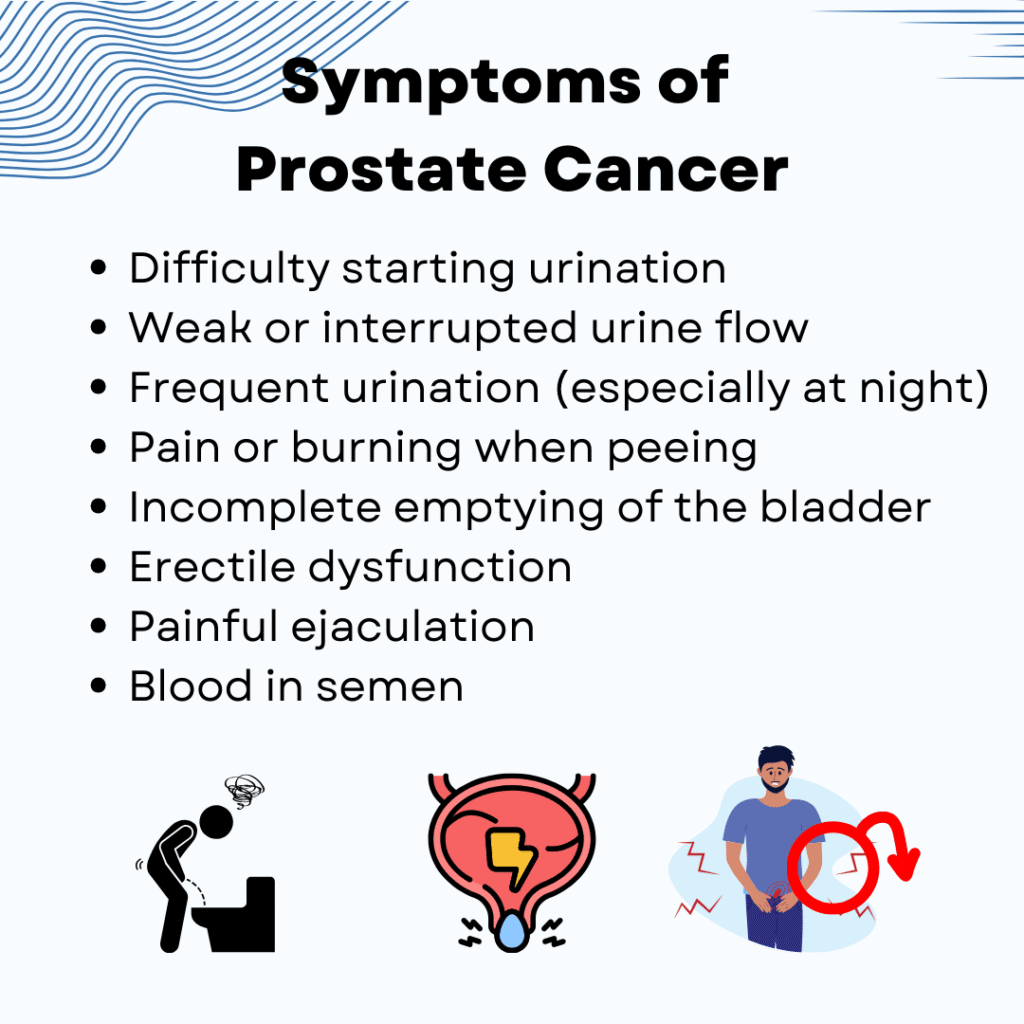
  • In its early stages, prostate cancer often causes no noticeable symptoms.

  • As it progresses, symptoms may include changes in urination, pelvic discomfort, or erectile dysfunction.

  • The risk increases with age, making awareness and proactive health checks essential.


Early Detection Saves Lives

Early detection is key—when caught early, the survival rate is over 95%.
That’s why PSA testing (Prostate Specific Antigen) and regular GP visits are crucial—
especially for:

  • Men over 50 years old

  • Men over 40 with a family history of prostate cancer


Pelvic Physiotherapy for Prostate Cancer Recovery

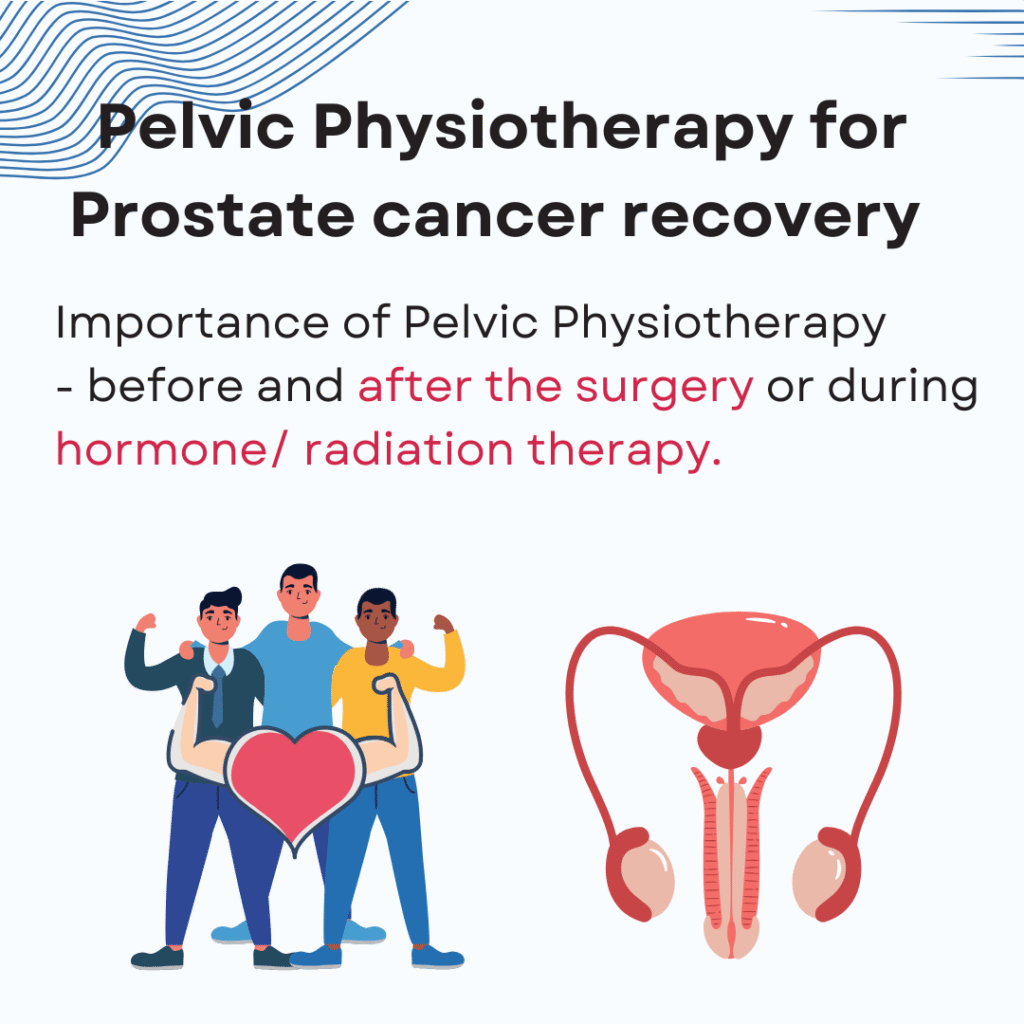
Pelvic health plays a vital role in recovery, especially after surgery or during hormone and radiation therapy. Physiotherapists trained in men’s health can provide targeted support through each stage of care:

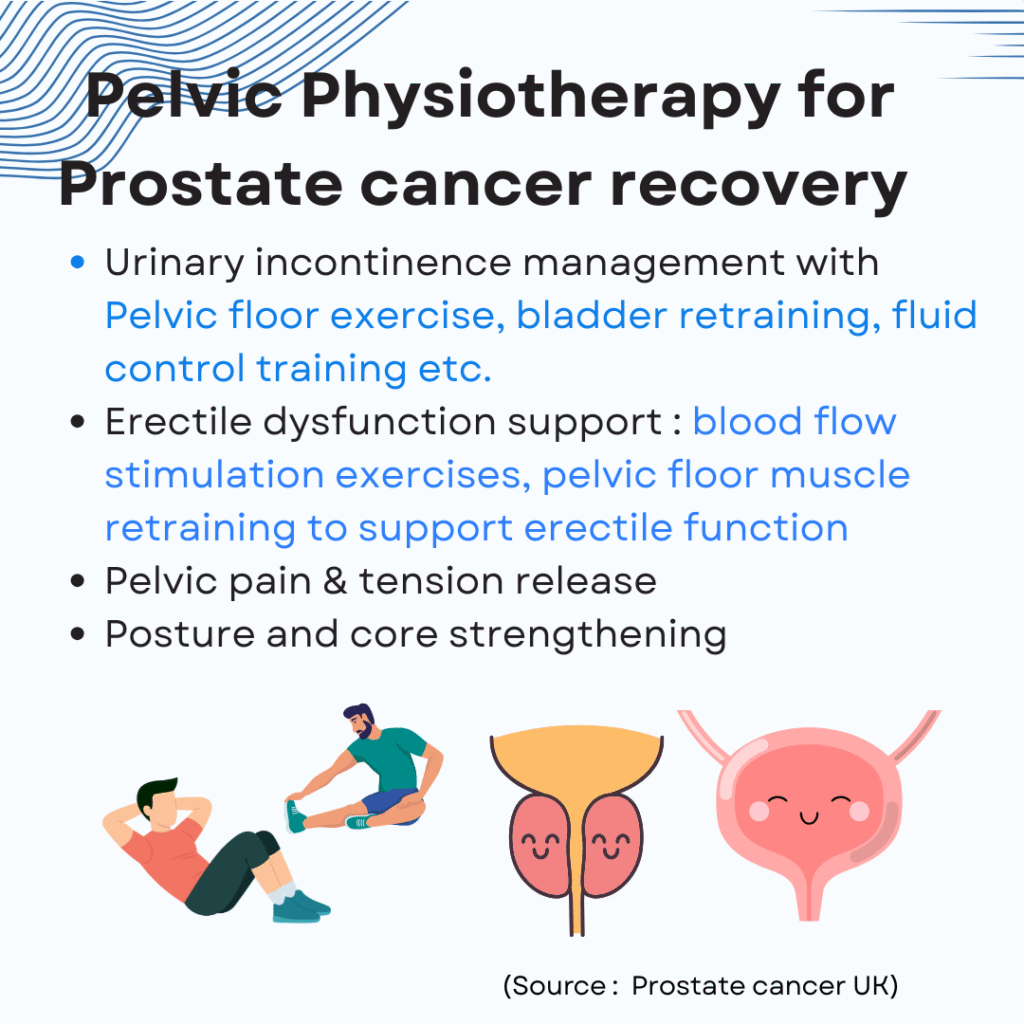
Before & After Prostate Surgery

  • Prehabilitation to strengthen pelvic floor muscles

  • Support during urinary incontinence management with:

    • Pelvic floor muscle training

    • Bladder retraining

    • Fluid intake management

Support for Erectile Dysfunction

  • Blood flow stimulation exercises

  • Pelvic floor retraining to aid erectile function recovery

Pain & Postural Care

  • Releasing pelvic pain and muscle tension

  • Addressing compensatory movement patterns

  • Posture correction and core strengthening to restore confidence and mobility


You’re Not Alone

Navigating prostate cancer can be overwhelming, but support is available. Pelvic physiotherapy is a powerful, evidence-based approach to improving recovery, restoring function, and enhancing quality of life.

How do you deal with urinary incontinence?

What is Urinary incontinence ?

Urinary incontinence is involuntary loss of urine.

The symptoms are vary : some has occasional dribbles, some has complete loss of bladder control, resulting in fully wetting their pants.
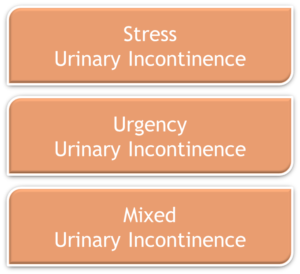

Common types of Urinary incontinence

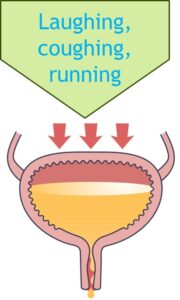
Involuntary loss of urine during physical activities that put pressure on the bladder
Involuntary loss of urine associated with urgency

Mixed symptoms of Stress urinary incontinence & Urgency urinary incontinence


Stress Urinary Incontinence

Involuntary loss of urine during physical activities that put pressure on the bladder, such as coughing, laughing, or running.
In more severe cases, even simple movements like standing up or rolling over in bed can trigger leakage.


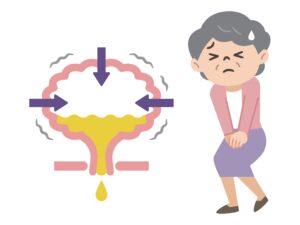
Urgent Urinary Incontinence

Involuntary loss of urine associated with urgency

Urgency= sudden strong desire to urinate with, inability to defer

ex. leakage that occurs when a person experiences an overwhelming desire to void but can’t make it to the toilet in time.


Less common types of Incontinence

When a person is unaware of the leakage until it has already occurred


Involuntary leakage of urine that happens right after urination is completed.

Also known as bedwetting, it involves involuntary urination during sleep.

This occurs specifically during or after sexual intercourse.


What are the Causes of Urinary Incontinence?

The Causes of Stress Urinary Incontinence

The cause of Stress urinary incontinence is Insufficient Uretheral Close pressure during increase in Internal Abdominal pressure.

It could be due to issues with the urethra itself or problems with surrounding structures, such as the pelvic floor muscles.

uretheral issues

  • Weak uretheral sphincters
  • Poor blood supply in uretheral area
  • Scarring of uretheral wall. etc.

surrounding issues

  • Poor bladder neck support due to
  • Pelvic floor muscle – strength weakness, poor endurance, poor co-ordination
  • Poor Pelvic floor fascial support of urethra

These issues could be triggered by pregnancy, childbirth, gynecological surgeries, abdominal surgeries, hormonal changes from menopause, aging, and other factors. Additionally, poor urethral closure function can be worsened by obesity and hormonal changes.


The Causes of Urgent Urinary Incontinence

The most common cause of Urgent urinary incontinence is Detrusor overactivity.

Overactive Detrusor :

  • The detrusor is a muscle in the bladder wall. The primary function is to contract and help expel urine from the bladder during urination.
  • An overactive detrusor muscle contracts even while the bladder is filling with urine
  • Uretheral relaxion Incompetence : Leakage happens due to urethral relaxation the bladder is filling with urine, in the absence of raised intraabdominal pressure or a detrusor contraction.

Does incontinence go away its own?

Since the causes of incontinence can vary, the potential for self-improvement depends on the specific factors involved.

Temporary incontinence, such as that caused by childbirth, a urinary tract infection (UTI), or the acute recovery phase after abdominal or gynecological surgeries, may improve on its own.

Chronic incontinence usually requires more sustained treatment based on a proper diagnosis. Treatment options may include lifestyle changes, pelvic floor exercises, and bladder training, among others.


How to Treat Incontinence?

Once you understand the types and causes of your incontinence, you can begin treatment.

  • Stress Urinary Incontinence : Pelvic floor exercise >= 3 months, supervised pelvic floor muscles training is strongly recommended. Research suggests that supervised pelvic floor exercises result in significantly better outcomes compared to unsupervised exercises. Additionally, it’s important to understand whether your pelvic floor needs relaxation exercises, contraction exercises, strengthening exercises, endurance exercises, or functional exercises
  • Urgent Urinary incontinence : bladder retraining lasting a minimum of 6 weeks. Training correct patterns of frequent voiding, Improve control over urgency and reduce incontinence episodes, Increase bladder capacity, Restore patient confidence to leave the house.
  • Fluid adjustments , Caffeine adjustment,
  • Constipation management
  • Other life style intervention : ie weight loss

When do you need to see a Pelvic health professionals?

  • When incontinence persistent or getting worse despite the pelvic floor exercise or life style intervention
  • When the pain or discomfort are combined, (should visit a health professional as early as possible)
  • Nontonal incontinence (should visit a health professional as early as possible)
  • 6 weeks post partum
  • Post Gynecological surgeries or abdominal surgeries.
  • If you feels difficulties in daily living or basic exercises


Jewel OH
Physiotherapist | Director | pppclinic.com.au