
Gynaecological surgery rehabilitation
Book nowGynaecological Surgery Rehabilitation and Physiotherapy in Brisbane
Recovery after gynaecological surgery can vary depending on the procedure and the individual. While initial healing is often guided by medical care, regaining strength, movement and pelvic function usually takes additional support.
Changes following surgery may include discomfort, reduced mobility or altered pelvic floor function. These effects can influence daily activities and overall wellbeing if not addressed early.
At Pelvic Prime & Physiotherapy, we provide structured gynaecological rehabilitation to support each stage of gynaecological surgery recovery. Our Brisbane clinic focuses on helping patients restore function in a way that is both practical and appropriate to their condition.
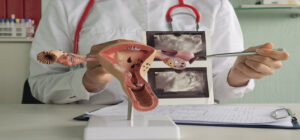
Supporting Recovery After Gynaecological Surgery
Recovery after gynaecological surgery often involves more than allowing time for healing. While rest is important in the early stages, many patients notice that certain movements feel unfamiliar or require more effort than before.
Physiotherapy during this phase focuses on helping the body adjust again. This can involve working on pelvic floor control, rebuilding general strength and gradually reintroducing movement in a way that feels manageable. Some individuals may also need guidance around posture or strategies to reduce discomfort during everyday tasks.
At Pelvic Prime & Physiotherapy, rehabilitation is shaped around the type of procedure performed and how recovery is progressing. Rather than following a fixed routine, sessions are adjusted based on how the body responds over time.
This approach to rehabilitation in gynaecology allows recovery to develop at a steady pace, with attention given to both short-term healing and longer-term function.
Advanced Techniques for Individualised Care
Recovery after gynaecological surgery does not usually follow a straight path, which is why treatment often needs to draw on different methods rather than relying on one approach.
At Pelvic Prime & Physiotherapy, sessions may involve tools that help both the clinician and the patient understand how the body is responding. Real-time ultrasound, for example, can be used to observe muscle activity, while movement-based work such as Clinical Pilates or water-based therapy can help reintroduce strength in a controlled way.
Rather than applying everything at once, these methods are introduced depending on what is needed at each stage. Some patients benefit from focusing on coordination first, while others may need to rebuild strength or confidence with movement.
This flexible approach to gynaecological rehabilitation allows treatment to respond to how recovery is progressing, rather than following a fixed plan.
Improving Function Over Time
The effects of gynaecological surgery recovery are not always limited to the early healing phase. Some changes only become noticeable when returning to normal routines, especially with movement, exercise or daily tasks.
Progress is often seen in small shifts. Movements may start to feel easier, or certain activities may no longer require the same level of effort or adjustment. These changes can build over time as the body adapts.
At Pelvic Prime & Physiotherapy, treatment is guided by how these changes develop. Sessions are adjusted along the way, focusing on what is most relevant at that point in recovery rather than following a set progression.
For many patients, the aim is not just to recover from surgery, but to feel more capable and comfortable in everyday activities again.
Book For Gynaecological Surgery Rehabilitation
If you are recovering from gynaecological surgery and would benefit from guided physiotherapy, Pelvic Prime & Physiotherapy offers personalised rehabilitation in Brisbane. Contact the clinic to discuss your recovery and arrange a suitable treatment plan.