How Hydrotherapy Manages Chronic Pain Effectively

Hydrotherapy offers a gentle yet highly effective way to manage chronic pain, particularly for conditions that may not respond well to traditional land-based exercise or medical treatments. Exercising in warm water reduces the effects of gravity, allowing your body to move with significantly less strain and discomfort.

The supportive environment of a therapeutic pool allows patients to perform movements that may feel difficult or painful on land. This helps improve mobility, strength, and confidence while reducing pain levels, making hydrotherapy an important part of many rehabilitation programs.

The Science Behind Water Therapy

Four Healing Properties of Water

Hydrotherapy works because of the unique physical properties of water:

Buoyancy

Water supports your body weight, reducing joint and tissue stress. Waist-deep water can reduce body weight by around 50%, while chest-deep water can reduce it by up to 70%. This allows people to move more freely and comfortably than they may be able to on land.

Hydrostatic Pressure

The natural pressure of water helps improve blood circulation and reduce swelling. It also supports lymphatic drainage, which assists in managing inflammation and fluid retention.

Water Resistance

Water provides gentle, consistent resistance in every direction. This allows you to build strength safely without placing excessive strain on joints or relying on heavy weights.

Warmth

Therapeutic pools are typically heated to relax muscles, reduce stiffness, improve tissue flexibility, and help reduce pain signals sent to the brain.

Pain Relief Mechanisms

Hydrotherapy supports pain relief through several biological and psychological pathways. Warm water helps relax muscles and reduce muscle spasms, which can interrupt ongoing pain cycles. Gentle exercise stimulates the release of endorphins — the body’s natural pain-relieving chemicals — which also help improve mood.

Research shows hydrotherapy can be particularly beneficial for individuals with fibromyalgia, helping reduce pain, stiffness, fatigue, anxiety, and depression symptoms.

Building Confidence Through Movement

Many people living with chronic pain develop a fear of movement, often due to concerns that exercise will worsen their symptoms. This fear can lead to reduced activity levels, muscle weakness, and increased pain over time.

Hydrotherapy provides a safe, supportive environment that helps rebuild confidence in movement. As patients gradually experience improved comfort and mobility, they often regain trust in their body’s ability to move without triggering significant pain.

Conditions That May Benefit from Hydrotherapy

Hydrotherapy can support a wide range of chronic pain conditions, including:
• Arthritis and joint degeneration
• Fibromyalgia
• Post-surgical rehabilitation
• Chronic back and neck pain
• Neuropathy and nerve-related pain
• General musculoskeletal pain conditions

By improving both physical function and mental wellbeing, hydrotherapy can play an important role in long-term pain management.

What to Expect During Hydrotherapy Sessions

Hydrotherapy programs are tailored to each individual’s condition, goals, and physical capacity. Sessions typically run for around 30 minutes and are often scheduled weekly over a 5–6 week period, depending on your treatment needs.
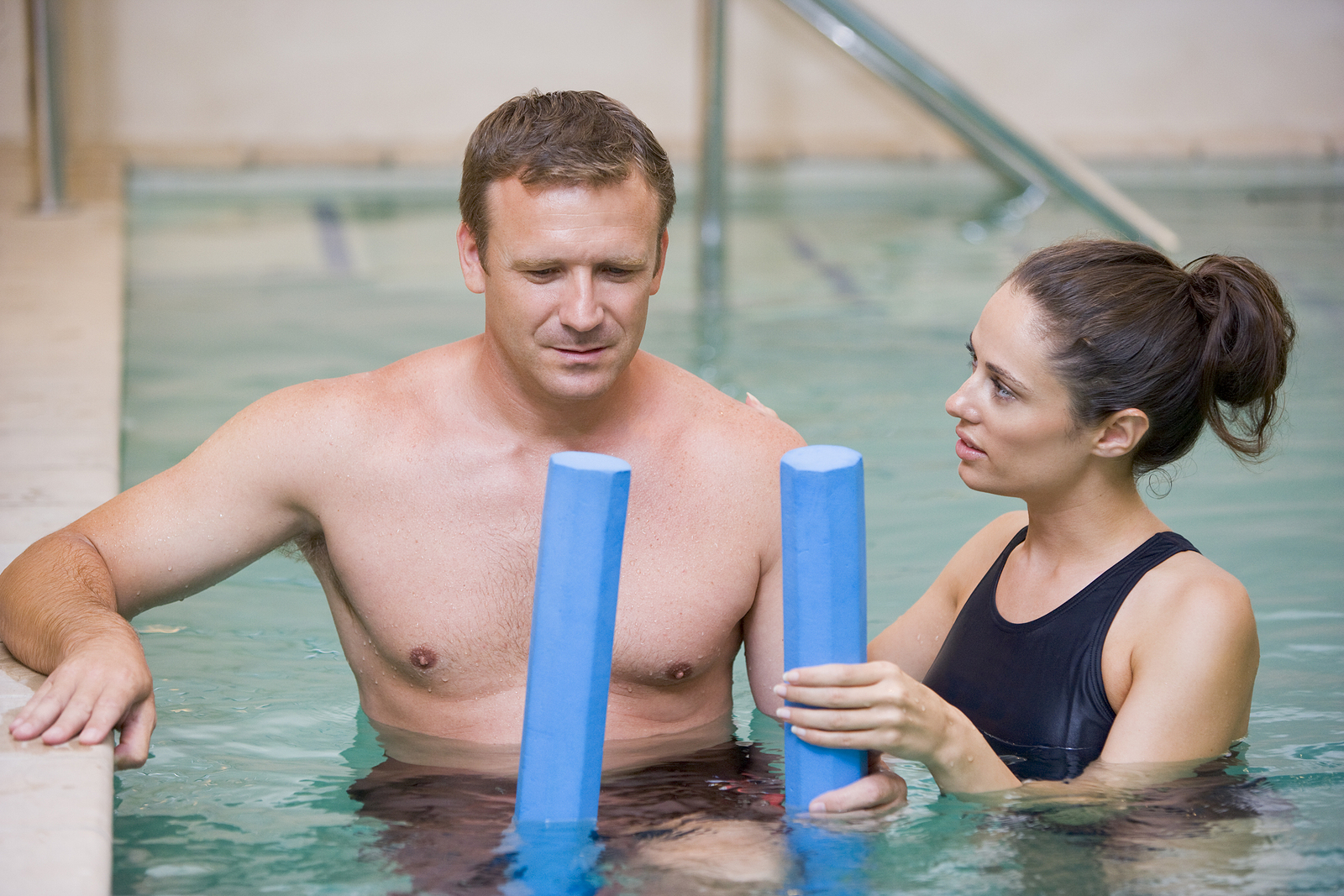
Exercises are guided by a physiotherapist in a heated pool maintained at approximately 33–36°C. The water depth is carefully selected to provide stability, support balance, and allow controlled movement.
Sessions usually begin with gentle walking and stretching exercises before gradually progressing to strengthening, balance, and mobility training as confidence and pain tolerance improve.

Maximising Long-Term Results

Hydrotherapy is most effective when combined with a broader rehabilitation plan. This may include:
• Pain education
• Psychological support strategies
• Individualised home exercise programs
• Strength and conditioning exercises

A multidisciplinary approach helps patients build long-term self-management skills, reduce flare-ups, and maintain independence in daily activities.


How Pelvic Floor Therapy Manages Chronic Back Pain

Your pelvic floor is a vital part of your deep core system. It works together with your diaphragm, deep abdominal muscles, and spinal stabilisers to support your spine and allow your body to move efficiently.
When this system is not functioning properly, the lower back often compensates. Over time, this increased strain can lead to persistent pain, stiffness, and reduced mobility. Many people living with chronic back pain are unaware that pelvic floor dysfunction may be contributing to their symptoms.

How the Pelvic Floor Affects Back Pain

The Core System

A healthy core involves much more than strong abdominal muscles. The core functions as a coordinated pressure and stability system that:
• Supports and stabilises the spine
• Pressure regulation between the diaphragm, abdomen, pelvic floor, and spinal stabilisers
• Allows smooth, controlled movement
• Protects the body during lifting, bending, and physical activity
When the pelvic floor is either weak or overactive, this system becomes unbalanced. As a result, the muscles in the lower back often work harder to maintain stability, which can lead to fatigue, tension, and ongoing discomfort.

Weak vs Overactive Pelvic Floor

Pelvic floor dysfunction can present in different ways, and both weakness and excessive tension can contribute to back pain.

Weak Pelvic Floor and Lower Back Pain

When pelvic floor muscles lack strength or coordination:
• Core stability may be reduced
• Lower back muscles may take on increased workload
• Muscle fatigue and persistent discomfort can develop
• Postural changes and poor movement patterns may occur

Overactive (Tight) Pelvic Floor and Lower Back Pain

When pelvic floor muscles remain overly tense or unable to relax:
• Muscles stay contracted instead of lengthening normally
• Pain may radiate into the lower back, hips, or sacroiliac (SI) joint
• Movement can become restricted or uncomfortable
• Symptoms may be complex and difficult to identify
Research suggests that combining pelvic floor muscle rehabilitation with physiotherapy treatment for back pain can improve long-term outcomes. Addressing pelvic floor function helps target the underlying cause of pain rather than focusing solely on the back.

What Happens During Pelvic Floor Therapy?

Comprehensive Assessment

Pelvic floor physiotherapy begins with a detailed assessment designed to identify the source of dysfunction. Your physiotherapist may evaluate:
• Pelvic floor sensation, pelvic floor muscle strength, endurance, and tension levels
• Coordination between breathing, pelvic floor, and deep core muscles
• Posture, canister position, movement patterns, and spinal alignment
• Overall muscle control and body mechanics
This assessment helps determine whether pelvic floor weakness, overactivity, or poor coordination is contributing to your back pain.

Personalised Treatment Plan

Treatment is tailored to your individual needs and goals. Your rehabilitation program may include:
• Targeted strengthening exercises to improve pelvic floor support
• Down-training techniques to relax overactive or tense muscles
• Postural and movement retraining to reduce lower back strain
• Breathing and core coordination training to improve deep stabilisation
• Manual therapy to release tight pelvic floor, hip, and lower back tissues
Pelvic floor therapy focuses on addressing the root cause of dysfunction to support long-term recovery.

Why Specialist Pelvic Floor Physiotherapy Matters

Pelvic floor rehabilitation is often most effective when combined with targeted core stability training and movement retraining. By improving both pelvic floor and spinal function, many patients experience:
• Reduced chronic back pain
• Improved spinal stability and support
• Better posture and movement efficiency
• Increased comfort and confidence during daily activities
• Improved return to exercise or sport

For individuals whose back pain has not responded to traditional treatment approaches, pelvic floor physiotherapy can provide a valuable and often overlooked pathway to recovery.

Urinary Incontinence: What It Is And How We Can Help You

At our Brisbane physiotherapy clinic, we assess the underlying cause and create personalised treatment plans to help restore bladder control, confidence, and quality of life.

What is Urinary Incontinence?

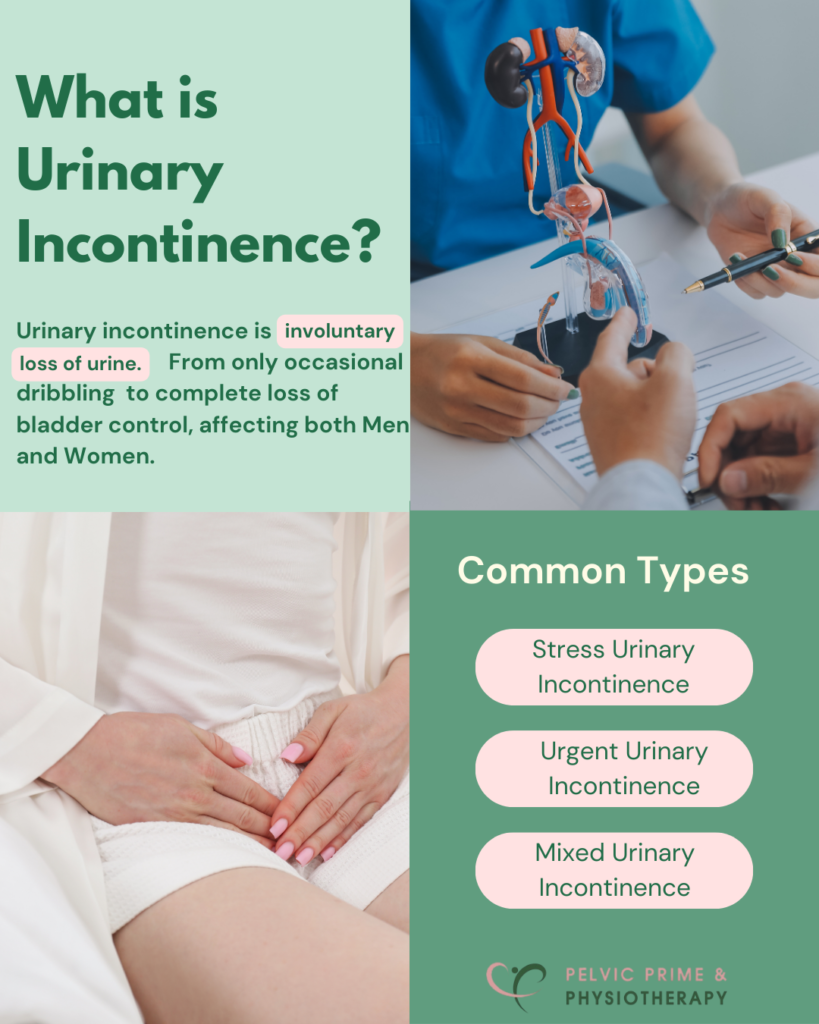
Urinary incontinence is the involuntary loss of urine, from only occasional dribbling to complete loss of bladder control affecting both men and women.

Types of Urinary Incontinence:

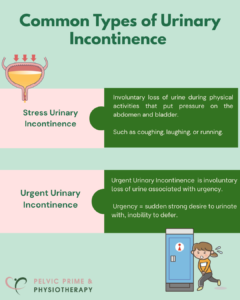
  • Stress Urinary Incontinence is the involuntary loss of urine during physical activities that put pressure on the abdomen and bladder. Such activities can include coughing, laughing and or running.
  • Urgent Urinary Incontinence is the involuntary loss of urine associated with urgency, causing a sudden strong desire to urinate with an inability to defer.
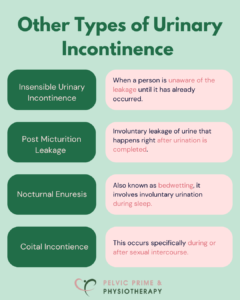
  • Insensible Urinary Incontinence occurs when a person is unaware of the leakage until it has already occurred.
  • Post-micturition Dribble is the involuntary leakage of urine that happens right after urination is completed.
  • Nocturnal Enuresis otherwise known as ‘bedwetting’, involves involuntary urination during sleep.
  • Coital Incontinence occurs specially during or after sexual intercourse.

How can we help YOU!

At Pelvic Prime and Physiotherapy we will assess the underlying cause and create a personalised treatment plan to your needs that will work towards restoring bladder control. Initial assessments may look like…

  • Bladder Diary.
  • Real Time Pelvic Floor Ultrasound.
  • Pelvic floor exercises that will either be working to relax, contract, strengthen, build endurance and or functional exercises targeted at your pelvic floor muscles.
  • TENS machine for bladder training.

Please note, each client is different in terms of treatment required and thus this is a general guide.


Book Your Pelvic Health Physio Consultation Today

Support your health journey with personalised care at Pelvic Prime & Physiotherapy in Brisbane. Contact us online or call 07 3366 0480 to book your pelvic health physiotherapy consultation today.