
Pelvic Floor and Stress in Men in Brisbane: Can Stress Cause Pelvic Floor Symptoms?
POSTED: 10 Nov, 2026
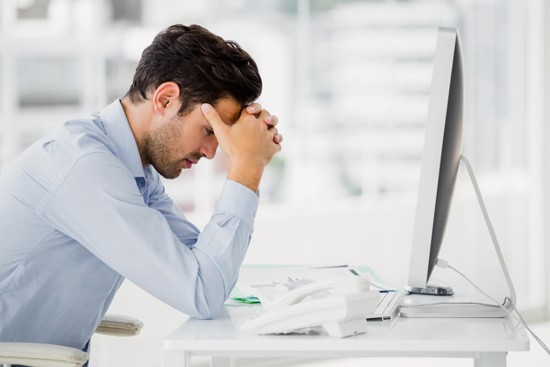
Most people think of stress as something that affects the mind, but it can also have a significant impact on the body. When stress levels remain high for extended periods, muscles throughout the body tend to tighten without us even realising it. For many men, this tension can develop in the pelvic floor, contributing to discomfort and changes in bladder, bowel or sexual function.
The connection between the pelvic floor and stress is often overlooked, which means symptoms may persist even when medical tests show no obvious physical cause.
How Stress Affects the Pelvic Floor
When we feel stressed, the body’s natural response is to prepare for action. Muscles tighten, breathing becomes shallower, and the nervous system becomes more alert. While this response is useful in short bursts, ongoing stress can keep muscles in a constant state of tension.
The pelvic floor is no exception. Over time, stress and pelvic floor tension can make it difficult for the muscles to fully relax and function normally. This may lead to discomfort, pressure or a feeling of tightness around the pelvis.
Some men are surprised to learn that emotional stress can create very real physical symptoms, particularly when tension builds gradually over weeks or months.
The Nervous System and the Pelvic Floor
So why does stress end up in the pelvic floor? A big part of the answer is the autonomic nervous system, which controls things you don’t consciously manage, like heart rate, digestion and muscle tone. It has two main branches that pull in opposite directions.
The sympathetic system is your “fight or flight” response. When it switches on, your breathing gets quicker and shallower and your muscles brace for action, including the pelvic floor. That’s fine when the stress passes quickly. But if the pressure lasts for weeks or months, the pelvic floor can stay tense and overactive, which can leave the muscles sore, tired and poorly coordinated.
The parasympathetic system is your “rest and digest” response. It lets muscles relax, including the pelvic floor, and supports normal bladder, bowel and sexual function. When the body is stuck in a stressed state, this system struggles to do its job, which is why men under ongoing stress can notice urgency, trouble emptying the bladder, bowel changes or sexual difficulties, even when nothing is structurally wrong.
The good news is that this balance can be shifted. Diaphragmatic breathing (slow, deep belly breathing) helps calm the nervous system and move the body back towards a parasympathetic state. Because the diaphragm and pelvic floor work as a pair, the pelvic floor is meant to gently lengthen as you breathe in. Pelvic floor down-training builds on this by teaching you to consciously relax and release the muscles rather than constantly holding them. For many men, learning to let go is the missing piece, not strengthening.
Common Symptoms Linked to Stress
The effects of stress and pelvic floor dysfunction can vary from person to person. Some men experience symptoms related to bladder or bowel function, while others notice pain or discomfort.
Common symptoms may include:
- Pelvic pain or aching
- Urinary urgency or frequency
- Difficulty emptying the bladder completely
- Discomfort when sitting
- Tension around the hips, groin or lower abdomen
- Sexual health concerns
Many men ask whether stress causes pelvic pain. In some cases, the answer is yes. While other medical conditions should always be ruled out, ongoing muscle tension associated with stress can contribute to persistent pelvic discomfort.
Why Stress Management Matters
Treating symptoms without addressing stress can sometimes limit recovery. If the nervous system remains highly activated, the pelvic floor muscles may continue to tighten even when other treatments are introduced.
This is why understanding the relationship between the pelvic floor and stress is so important. Managing both the physical and emotional factors contributing to symptoms often leads to better long-term outcomes.
Addressing breathing patterns, relaxation strategies and muscle function together can help reduce the cycle of tension and discomfort.
How PPP Clinic Can Help
At Pelvic Prime & Physiotherapy (PPP Clinic), we take a comprehensive approach to men’s pelvic health. Our physiotherapists assess pelvic floor function, movement patterns, breathing mechanics and lifestyle factors that may be contributing to symptoms.
For men experiencing stress and pelvic floor dysfunction, treatment may include pelvic floor physiotherapy, education, relaxation techniques and practical strategies to reduce muscle tension. This can include diaphragmatic breathing and pelvic floor down-training to help calm the nervous system and encourage the muscles to relax.
We also help patients understand how stress and pelvic floor tension develop and what can be done to improve muscle relaxation and overall function.
Supporting Recovery and Wellbeing
Many men find that symptoms improve when both physical health and stress levels are addressed together. If you’ve been wondering whether stress causes pelvic pain, a thorough assessment can help identify the factors contributing to your symptoms and guide the most appropriate treatment approach.
Taking action early can help prevent symptoms from becoming more persistent and disruptive to daily life.
Book an Appointment Today
If you’re experiencing pelvic pain, bladder symptoms or ongoing tension, Pelvic Prime & Physiotherapy (PPP Clinic) can help. Book an appointment today for a personalised assessment and treatment plan tailored to your individual needs and goals.
Booking with Pelvic Prime & Physiotherapy