
Weak Pelvic Floor Symptoms in Men in Brisbane: Why Sitting All Day Can Make Them Worse
POSTED: 27 Oct, 2026
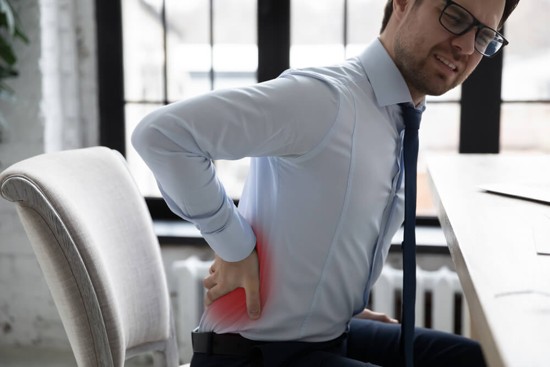
Many men spend hours each day sitting at a desk, driving or working from home without giving much thought to how it affects their body. While back and neck pain are often discussed, prolonged sitting can also have a significant impact on pelvic health. In some cases, spending most of the day seated can contribute to or worsen weak pelvic floor symptoms in men, affecting comfort, bladder function and overall wellbeing.
The pelvic floor relies on regular movement, healthy posture and good muscle coordination. When these factors are disrupted, symptoms can start to develop over time.
How Sitting Affects the Pelvic Floor
The pelvic floor is a group of muscles that supports the bladder, bowel and other pelvic structures. Sitting for long periods places continuous pressure through the pelvis, particularly around the coccyx (tailbone) and surrounding tissues.
At the same time, prolonged sitting often leads to hip stiffness and reduced pelvic movement. When the hips become restricted, the muscles around the pelvis may compensate, placing additional strain on the pelvic floor.
Poor desk posture can make matters worse by changing how pressure is distributed through the pelvis and lower back. Over time, this may contribute to a range of male pelvic floor symptoms, including discomfort, urinary issues and feelings of tension in the pelvic region.
Tight Muscles Can Cause Problems Too
Many people assume pelvic floor concerns are always related to weakness. However, muscles that remain under constant tension can be equally problematic.
Long periods of sitting may reduce blood flow and encourage the pelvic floor muscles to remain in a shortened or tightened position. This can contribute to symptoms of tight pelvic floor in men, such as pelvic pain, aching around the tailbone, difficulty relaxing the muscles or discomfort during daily activities.
Breathing mechanics can also play a role. Shallow chest breathing, which is common when sitting at a desk, may reduce the natural movement and relaxation of the pelvic floor throughout the day.
Pudendal Neuralgia: When Sitting Irritates the Nerve
Sometimes the problem isn’t the muscles at all. If you’ve got pelvic pain that doesn’t quite fit a tight or weak pelvic floor, the pudendal nerve could be the culprit.
This nerve runs through the pelvis and carries sensation to the perineum (the area between the scrotum and anus), the penis and the rectum. It also plays a part in controlling the pelvic floor muscles, bladder and bowel. If it gets squeezed, stretched or irritated, the pain that results is called pudendal neuralgia.
Sitting is one of the most common triggers. The nerve passes close to the sitting bones, so every hour spent on a hard chair puts pressure right where it’s most sensitive. Add slouched posture, tight hips, a tense pelvic floor and very little movement, and the nerve can end up under a lot of strain. Cycling and long drives tend to make it worse.
Men with pudendal neuralgia often describe:
- Burning, aching or sharp pain in the perineum
- Pain in the penis, scrotum or rectum
- Numbness, tingling or pins and needles in the pelvic area
- A sensation of sitting on a golf ball, or of something being stuck in the rectum
- Urinary urgency or discomfort when opening the bowels
The pattern is usually the giveaway. Symptoms build up when you sit and settle when you stand up or lie down. Some men find sitting on the toilet is more comfortable, though that isn’t the case for everyone.
Because these symptoms can look a lot like other conditions, including a tight pelvic floor or prostatitis-type pain, getting a proper assessment matters. Pelvic pain that lingers or keeps getting worse shouldn’t be ignored in the hope it will go away on its own.
When Weakness Develops
While some men experience excessive muscle tension, others may develop reduced muscle strength and endurance. Limited movement and physical inactivity can affect how effectively the pelvic floor functions over time.
Common symptoms of a weak pelvic floor in men may include:
- Urinary leakage
- Increased urinary urgency
- Reduced bladder control
- Difficulty maintaining pelvic support during exercise
- Reduced confidence in daily activities
These concerns can gradually worsen if the underlying factors are not addressed.
How PPP Clinic Can Help
At Pelvic Prime & Physiotherapy (PPP Clinic), we understand that pelvic health concerns in men are often influenced by a combination of lifestyle, movement and muscle function.
Our physiotherapists provide detailed assessments to identify the causes of weak pelvic floor symptoms in men and other pelvic health concerns. We assess posture, breathing patterns, hip mobility, pelvic floor function and movement habits to gain a complete picture of what may be contributing to your symptoms.
Whether you are experiencing male pelvic floor symptoms, symptoms of a tight pelvic floor in men or symptoms of a weak pelvic floor in men, treatment is tailored to your individual needs and goals.
Small Changes Can Make a Big Difference
Improving pelvic health often starts with simple changes. Regular movement, better posture, improved breathing patterns and targeted physiotherapy can help reduce symptoms and improve function.
Early intervention can also help prevent minor concerns from becoming ongoing problems.
Book a Consultation Today
If sitting for long hours is affecting your pelvic health, Pelvic Prime & Physiotherapy (PPP Clinic) can help. Book a consultation today for a personalised assessment and treatment plan designed to improve comfort, function and long-term pelvic wellbeing.
Booking with Pelvic Prime & Physiotherapy