Closed for Christmas and New Year’s (Opening Hours)

Our team is taking some time to celebrate the holidays! 🎄

The clinic will be closed: 24th December 2025 to 4th January 2026 for Christmas & New Year’s.

The clinic will reopen: 5th of January 2026.

Thank you for trusting us with your care this year — wishing you joy, peace, and good health over the festive season!

How To Support Your Pelvic Health as An Expecting Mother

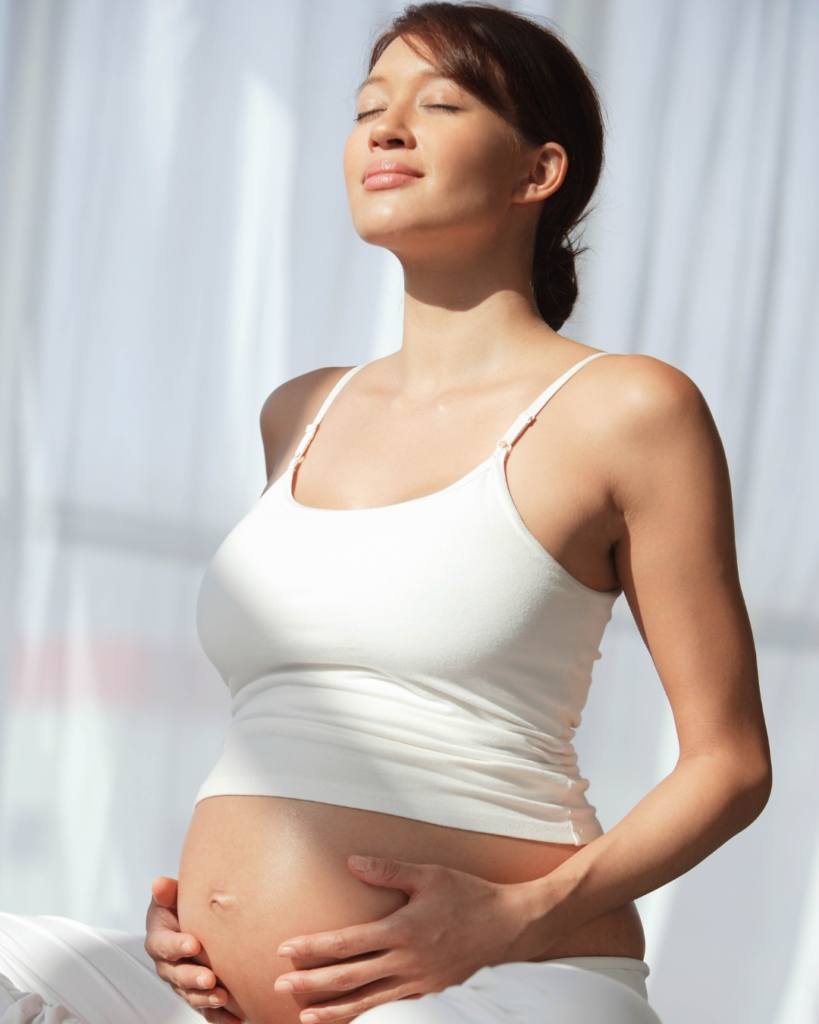
From the first trimester to post-birth recovery, your body goes through big changes – and the right support can make all the difference with pelvic health physiotherapy. At Pelvic Prime & Physiotherapy Brisbane, our women’s pelvic health physiotherapists are trained in pregnancy-safe pelvic health care, guiding you through every stage with education, hands-on treatment and personalised exercises.


Prenatal Stage

At 20-25 weeks:

  • Know your birth choices

At 25-30 weeks:

At 35 weeks:

  • Start perineum massage
  • Order postpartum recovery garments (pants/belt)
  • Understand postpartum recovery process and pelvic floor exercises

Postnatal Stage

At 6 weeks postpartum:

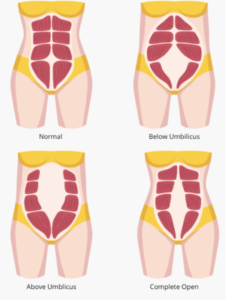
  • Check pelvic floor, DRAM (tummy separation)
  • Understand returning to pre-pregnancy activities & high intensity exercises


Book Your Pregnancy and Women’s Pelvic Health Physio Consultation Today

Support your pregnancy and healing journey with personalised care at Pelvic Prime & Physiotherapy in Brisbane. Contact us online or call 07 3366 0480 to book your pregnancy and pelvic health consultation today.


Endometriosis and Pelvic Floor Dysfunction: How Pain Impacts Muscles

At Pelvic Prime & Physiotherapy in Brisbane, we work with many women managing the effects of endometriosis. This chronic condition causes ongoing pelvic floor pain, which can influence daily comfort and movement. Persistent pain often forces pelvic flexors to tighten as a protective response. Over time, this can lead to dysfunction, making sitting, exercising, or even walking uncomfortable. Understanding this connection is the first step in addressing both the symptoms of endometriosis and its impact on muscle health.

The Link Between Pelvic Muscle Pain and Muscle Dysfunction

Endometriosis-related pain affects organs and the muscle network. Muscles may stay tense or overactive when pain signals persist, creating further discomfort. It still happens sometimes, even after surgery. This can result in pelvic muscle pain that interferes with intimacy, bladder or bowel function and daily movement. Many women describe a cycle where pain leads to muscle tightening, which then increases sensitivity and restriction. Recognising these patterns helps explain why pelvic floor dysfunction is common among those with endometriosis.

How Pelvic Floor Physiotherapy Supports Pelvic Muscles

Pelvic floor physiotherapy plays a vital role in reducing symptoms linked to endometriosis and pelvic floor dysfunction. Pelvic floor physio treatments often focus on releasing muscle tension through gentle manual therapy and guided relaxation techniques. Improving pelvic alignment and mobility helps restore balance to surrounding tissues, making movement more comfortable. Pelvic floor physiotherapists also teach strategies to manage flare-ups and reduce pelvic floor pain, combining evidence-based exercises with practical guidance for daily life. This approach supports both short-term relief and long-term function.

Breathing Exercises and Core Muscle Coordination

For many post-endometriosis surgery clients, diaphragmatic breathing and coordinated activation of the pelvic floor and core muscles are essential components of recovery. Learning to breathe deeply into the diaphragm while gently engaging the pelvic floor can reduce muscle tension, improve circulation, and support organ function. Coordinating the core muscles with pelvic floor activation enhances stability, protects healing tissues, and improves overall movement efficiency. Practicing these techniques regularly helps rebuild strength safely while minimising discomfort.

Personalised Recovery Plans

Every woman’s endometriosis experience is unique, so tailored care is essential. An initial pelvic physiotherapy session usually includes a detailed discussion of symptoms and an assessment of pelvic floor function. Treatment may involve exercises to relax overactive muscles, techniques for pain management and guidance on safe movement. Consistency is key; regular sessions help build progress while offering reassurance and ongoing support. Over time, these strategies can reduce pelvic muscle tension and improve confidence in managing daily activities.

The Emotional Impact of Living with Endometriosis

Beyond the physical discomfort, endometriosis often affects mental and emotional well-being. Living with ongoing pain can lead to frustration, fatigue and feelings of isolation. It may interfere with work, relationships and everyday routines, creating challenges beyond the pelvic region. Addressing these emotional aspects is an important part of recovery. Pelvic physiotherapy provides physical strategies for managing symptoms and reassurance and support, helping women feel more in control of their health journey.

Moving Forward with Expert Support

While endometriosis is a complex condition, addressing the role of pelvic musculature can make a significant difference. Pelvic floor physiotherapy provides a structured way to manage pain, restore function and support overall well-being. At Pelvic Prime & Physiotherapy Brisbane, we aim to empower women with practical tools and personalised recovery plans. With the right support, it is possible to reduce pelvic muscle tension and improve quality of life.

Book a Confidential Pelvic Floor Physiotherapy Session

Find relief and regain control with expert care at Pelvic Prime & Physiotherapy Brisbane. Contact us online or call 07 3366 0480 to book your consultation today. 


Postpartum Recovery with Pelvic floor Physio: Safe Exercises for Healing Support

At Pelvic Prime & Physiotherapy in Brisbane, we support new mums as they adjust to the physical and emotional changes following childbirth. Common concerns include pelvic floor weakness, abdominal separation, incontinence, prolapse, and back or hip pain. Emotional fatigue often adds to the challenge as women balance caring for a newborn with their own recovery.

The 6-Week Postpartum Check-Up

A government-recommended 6-week postpartum check-up is an essential step for every new mother. This assessment ensures that recovery is on track, identifies any ongoing issues, and guides safe, personalised exercise programs. Attending this check-up is crucial for addressing symptoms early and tailoring rehabilitation to the individual’s needs.

How Pelvic Floor Physiotherapy Supports Healing

Pelvic floor physiotherapy provides a safe, structured way to rebuild strength after birth. A tailored program may include gentle postnatal workouts to support core recovery without straining healing tissues. Pelvic floor exercise postpartum is central to restoring bladder control, reducing pain and improving stability. Pelvic floor Physios also focus on posture and movement patterns, helping women adjust safely to daily activities like lifting and feeding. Each recovery plan is individualised, ensuring progress matches the body’s pace while reducing the risk of setbacks.

Safe and Effective Postnatal Exercise

A key part of recovery is engaging in exercises that are both safe and effective. A postpartum core workout may start with simple breathing techniques and gentle abdominal activation before progressing to controlled strengthening. Light stretches and mobility work can ease stiffness and improve circulation. As healing continues, more advanced activities are added to restore function. With guidance, women can build strength without compromising recovery, ensuring each stage supports long-term health and resilience.

Restoring Strength with Pelvic Floor Focus

A key part of recovery is learning how to safely activate the pelvic floor. Pelvic floor exercise postpartum helps restore bladder control, reduce discomfort and improve core stability. These exercises involve gentle tightening and releasing of the pelvic muscles, building strength without strain. When guided by a pelvic physiotherapist, they are tailored to your healing stage and specific needs. Over time, this focused approach supports both physical function and overall confidence in daily life.

When and How to Begin Recovery

The ideal time to begin pelvic floor exercises postpartum differs for each woman, but many can start gentle pelvic floor exercise within the first week after birth. Early sessions often assess pelvic floor and abdominal healing before introducing specific movements. Working with a trained pelvic health physio ensures exercises are performed correctly, avoiding strain. Progress is gradual, with regular adjustments based on comfort and outcomes. This structured approach helps women feel confident as they gradually rebuild strength.

Taking Small, Confident Steps Forward

Postpartum recovery is a journey, not a race. With the right support, it’s possible to overcome challenges like bladder leakage or core weakness and feel stronger day by day. Pelvic floor physiotherapy provides reassurance through expert guidance, tailored exercises, and ongoing encouragement—helping you take small, confident steps toward lasting recovery.

Book Your Postpartum Pelvic Physio Consultation Today

Support your healing journey with personalised care at Pelvic Prime & Physiotherapy Brisbane. Contact us online or call 07 3366 0480 to book your postpartum consultation today.


Pelvic floor Physiotherapy for Men’s Sexual Dysfunction: An Overlooked Solution

At Pelvic Prime & Physiotherapy in Brisbane, we know sexual health isn’t always easy to talk about. Issues like erectile dysfunction or premature ejaculation are more common than most men realise and can take a toll on confidence, relationships, and overall well-being.

Addressing sexual dysfunction often starts with simple, non-invasive strategies: maintaining a healthy lifestyle, managing stress, improving sleep, regular exercise, and seeking medical advice when needed. These steps help improve overall physical health, blood flow, and mental wellbeing, all of which support sexual function.

Understanding Sexual Dysfunction in Men

Sexual dysfunction can present in different ways, from difficulties maintaining an erection to problems with control and satisfaction. Beyond the physical challenges, these issues can lower confidence and cause emotional strain. Pelvic floor muscles play a crucial role in sexual function—weakness, tension, or lack of control in this area can contribute directly to erectile difficulties, premature ejaculation, or reduced performance. Recognising the link between pelvic health and sexual wellbeing is key to effective management.

How a Pelvic Floor Physio Can Help

Specialised men’s health physiotherapy complements general recommendations by providing targeted strategies to strengthen and relax the muscles that support blood flow, nerve function, and sexual performance. Improved pelvic floor muscle control can enhance erectile function, increase endurance, and reduce tension, making intimacy more comfortable and confident. Each program is personalised to the individual’s condition, lifestyle, and goals, addressing root causes rather than just masking symptoms.

Benefits of Early Intervention and Support

Seeking help from a men’s health physio early can accelerate recovery and reduce long-term impact. Guided exercises are more effective than attempting self-directed routines, ensuring that correct techniques are followed. Many men also experience a boost in confidence, as improvements extend beyond physical performance to emotional well-being. With consistent care, benefits can be maintained without reliance on medication or invasive procedures. Pelvic floor physiotherapy offers a sustainable and holistic way to restore sexual health naturally.

A Safe and Effective Path Forward

Men’s health Physiotherapy is often overlooked as a solution for sexual dysfunction, yet it provides measurable improvements with minimal risks. By addressing pelvic floor function and supporting overall health, men can achieve better outcomes and regain confidence in daily life. At Pelvic Prime & Physiotherapy Brisbane, our team provides discreet, professional support tailored to individual needs. Early action is key to achieving the best results and preventing symptoms from becoming long-term concerns.

Book a Men’s Health Physio Today

Take the first step toward recovery with expert care at Pelvic Prime & Physiotherapy Brisbane. Contact us online or call 07 3366 0480 to book your consultation today.


Recovery After Prostate Surgery: How Pelvic floor Physiotherapy Supports

At Pelvic Prime & Physiotherapy in Brisbane, we support men during the important stage of prostate removal recovery or procedures for benign prostatic hyperplasia (BPH). Surgery or intervention may be necessary for conditions such as prostate cancer or BPH, but the recovery process can bring challenges. These may include physical limitations and emotional stress. Pelvic floor physiotherapy provides targeted strategies to help men restore function, manage side effects and return to normal routines with more confidence.

Common Prostate Removal After Effects & Challenges

Men often face several hurdles during prostate removal recovery or BPH procedures. Urinary incontinence is one of the most common aftereffects, as the pelvic floor muscles need time to regain strength. Pelvic pain or discomfort can affect daily activities and exercise, limiting movement. Reduced mobility and function may also occur as the body adjusts post-surgery. Alongside these physical issues, the emotional impact can be significant, affecting quality of life and self-esteem. Recognising these challenges early ensures the right support can be provided at every stage.

Role of Pelvic Floor Physiotherapy in Recovery

Pelvic floor physiotherapy is a central part of post-prostatectomy care or BHP care. Pelvic floor muscle training helps strengthen muscles that support the bladder, improving control over time. Specific techniques are taught to reduce leaks and restore confidence in daily activities. Pain relief methods and mobility exercises are also included to ease discomfort and improve movement. At Pelvic Prime & Physiotherapy Brisbane, each patient receives a personalised plan tailored to their health needs. This approach ensures every stage of recovery is supported with professional guidance.

What to Expect from Your Recovery Plan

Recovery does not happen overnight, and setting realistic expectations is important. Full recovery may take several months. Early intervention is key in post-prostatectomy care; starting pelvic floor physiotherapy soon after surgery provides the best foundation for progress. During each appointment, our clinicians monitor outcomes, adapt exercises and address concerns to keep recovery on track. By following a structured plan, men can regain independence, manage side effects and improve overall well-being with the right support.

Building Confidence Through Guided Care

Including pelvic floor physiotherapy in a recovery pathway offers clear advantages. By addressing both physical and emotional challenges, men are better equipped to resume work, exercise and social activities. Expert guidance ensures exercises are performed correctly and safely, preventing strain and setbacks. At Pelvic Prime & Physiotherapy, we focus on practical outcomes such as improved control, reduced pain and restored mobility. This care helps patients feel supported during a sensitive stage of life, while laying the foundation for long-term health and minimising prostate removal after effects.

Start Your Recovery with Pelvic Physiotherapy

Take control of your prostatectomy recovery or BHP care with personalised care at Pelvic Prime & Physiotherapy Brisbane. Contact us online or call 07 3366 0480 to book your consultation today.

Male Pelvic Floor Exercises: Myths and Facts

At Pelvic Prime & Physiotherapy in Brisbane, we see many men dealing with concerns linked to the male pelvic floor muscles. These muscles sit at the base of the pelvis and play a vital role in bladder control, sexual health and core stability. Despite their importance, there are many misunderstandings that can prevent men from seeking help or performing the right exercises. This blog clears up myths, explains the facts and shows how proper support can make a difference. 

Common Myths About Pelvic Floor Men’s Exercises

A common myth is that pelvic floor exercises are only for women. In reality, men benefit equally, as these muscles support the bladder and bowel. Another misconception is that pelvic floor work is only necessary after surgery, such as prostate procedures. While it is true that post-surgical recovery often includes these exercises, they also help with everyday function and injury prevention. Some also believe that exercises for pelvic pain in men are ineffective. Clinical research shows they can reduce discomfort and improve strength when performed correctly. Finally, many assume results come instantly. Like any training, improvements take consistency and time before noticeable changes appear. 

Facts and Health Benefits

Strengthening the pelvic floor muscles offers powerful benefits: 

  • Better bladder control – fewer leaks during exercise or daily activities. 
  • Improved sexual function – stronger muscles can support erectile performance and control. 
  • Stronger core – essential for athletes and active lifestyles. 

These improvements boost confidence, reduce stress, and support long-term pelvic health. 

How to Do Them Correctly

Starting pelvic floor men’s exercises requires the right technique. Because each case is unique, guidance from a pelvic floor physiotherapist is highly recommended. At Pelvic Prime & Physiotherapy Brisbane, our clinicians assess your condition, provide tailored instruction and monitor progress to ensure safe and effective outcomes. 

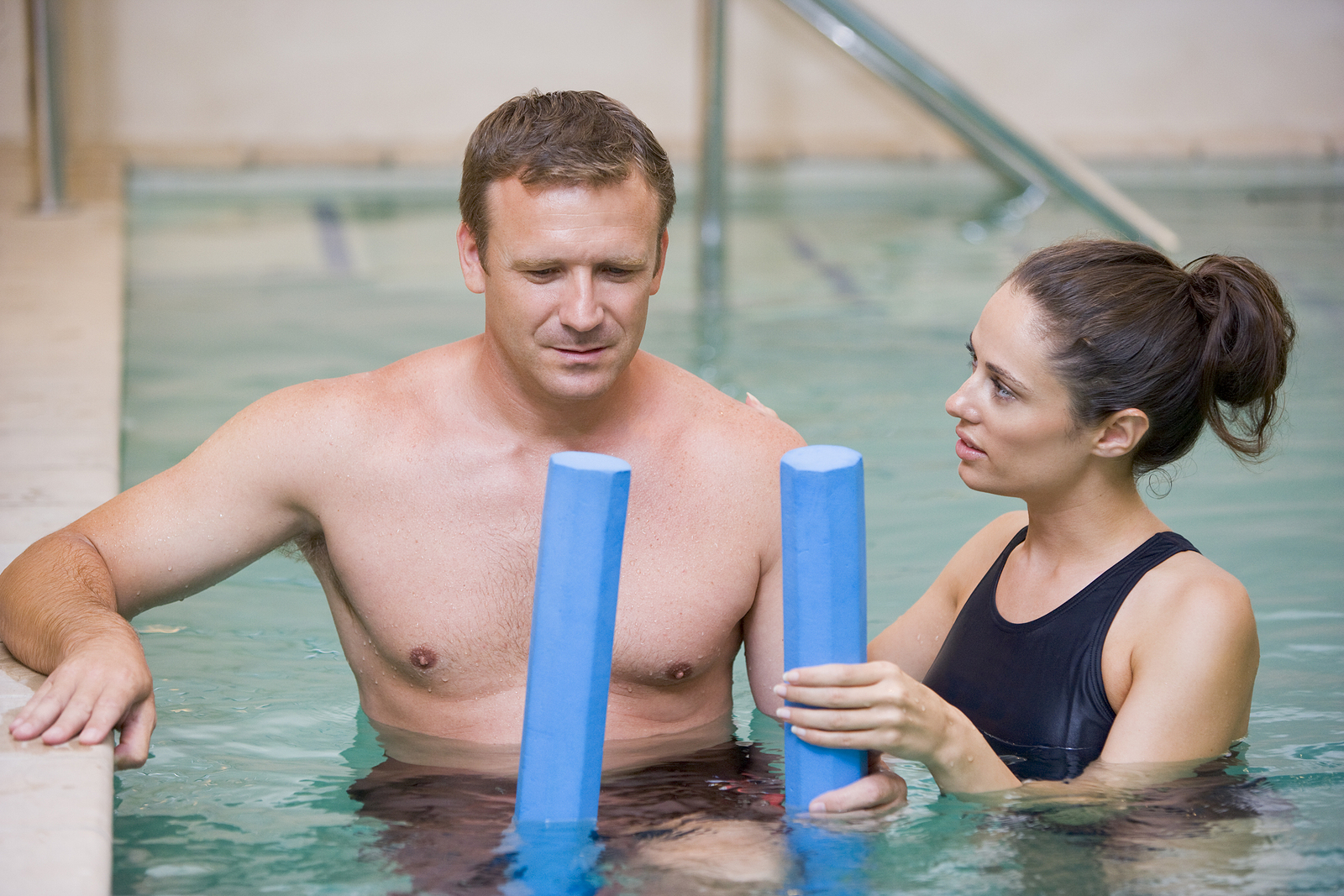
mens pelvic floor exercises

Key Takeaways for Men’s Pelvic Health

  • They help with bladder control, sexual function, and core stability. 
  • Proper technique and professional guidance lead to the best outcomes. 

Caring for your pelvic floor is an investment in your long-term health and quality of life. 

Book Your Pelvic Health Consultation Today

Take control of the pelvic pain in men with personalised care at Pelvic Prime & Physiotherapy Brisbane. Contact us online or call 07 3366 0480 to book your consultation today. 

Pessary fitting Process

What a Pessary Fitting Looks Like ? 

Pessary fitting sounds a bit unfamiliar? Let’s walk through it step by step.


In your initial session, you can talk about your medical history and
prolapse-related symptoms, such as bulging or a ‘coming down’ sensation, heaviness or pressure, urine leakage, constipation, and more.


During the internal exam, your main issues can be identified, such as prolapse, pelvic floor dysfunction, or pelvic floor tightness or weakness.

Once we’ve confirmed that you have stage 2 or 3 prolapse (generally), we will assess whether you are suitable for a pessary fitting.

This includes checking whether you understand how a pessary works, whether you have any contraindications for using a pessary, and whether you’re able to attend regular follow-up appointments

Once you’re considered suitable for a pessary fitting, we’ll obtain your consent.

This includes understanding the possible side effects, agreeing to a vaginal speculum exam, the pessary fitting itself, and regular follow-up check-ups


Before fitting a pessary, we request a vaginal speculum exam from your GP or gynaecologist.

This is an important step to help prevent possible side effects, such as ulceration of the vaginal wall caused by a pessary.

It ensures your vaginal tissue is healthy enough to support the pessary.

It’s also a good opportunity to check whether hormone therapy might be recommended to improve the health of the vaginal wall before the fitting


Afterwards, we determine the right pessary type and size for you, depending on your prolapse and how well your pelvic floor supports it

Once you try a pessary, we make sure it stays in place and feels comfortable in daily life.

We check this with activities like coughing, squatting, or going to the toilet.

If it doesn’t feel right, we try other pessary types until we find the best fit.


You will be trained in pessary self-management—such as how to insert, remove, and clean it, and when it needs to be removed.

We’ll also set up a plan for regular check-ups, usually every 3–6 months after the initial review.


Combining pessary use with regular pelvic floor and core exercises is essential.

This helps strengthen your pelvic floor and can prevent your prolapse from worsening.

Pelvic Prime & Physiotherapy offers prolapse care with pessary fittings and individualised exercises, provided by pelvic floor physiotherapists Adela Kang and Jewel Oh

Free Consultation Session for First time Mums ! (May 2025)

Pelvic Prime & Physiotherapy Clinic is offering a free wellness session to support first time mothers.

This session is perfect for mothers who have recently given birth, from 6 weeks to 1 year postpartum.

In this session, we will provide information on :

– Pelvic Floor Recovery after the childbirth

– The common post partum symptoms and their recovery
(Incontinence, prolapse, abdominal separation, sexual pain etc.)

– Recovery exercise protocols

– Baby’s physical development


Location : Garden City Library Upper Mount Gravatt, QLD

Open two times! Select one!


Date : 14th May 2025
Time : 12:15pm-1:00 pm

Date : 28th May 2025
Time : 11:45pm-12:30 pm


To attend, please book online using the link below.

Booking :

https://pelvic-prime-and-physiotherapy.au4.cliniko.com/bookings#service

Prostate cancer

Understanding Prostate Cancer & the Role of Pelvic Physiotherapy in Recovery

Prostate cancer is one of the most common cancers affecting men, particularly as they age. Early detection and holistic care—including pelvic physiotherapy—can significantly improve quality of life and long-term outcomes.


How Common Is Prostate Cancer?

  • 📈 By age 80, up to 80% of men may have microscopic evidence of prostate cancer, even without symptoms.

  • 👥 1 in 6 Australian men will be diagnosed with prostate cancer by the age of 85.

  • Most cases occur in men aged 65–74.

  • It’s the second most commonly diagnosed cancer in Australian men, accounting for 24% of male cancers.


Symptoms of Prostate Cancer

  • In its early stages, prostate cancer often causes no noticeable symptoms.

  • As it progresses, symptoms may include changes in urination, pelvic discomfort, or erectile dysfunction.

  • The risk increases with age, making awareness and proactive health checks essential.


Early Detection Saves Lives

Early detection is key—when caught early, the survival rate is over 95%.
That’s why PSA testing (Prostate Specific Antigen) and regular GP visits are crucial—
especially for:

  • Men over 50 years old

  • Men over 40 with a family history of prostate cancer


Pelvic Physiotherapy for Prostate Cancer Recovery

Pelvic health plays a vital role in recovery, especially after surgery or during hormone and radiation therapy. Physiotherapists trained in men’s health can provide targeted support through each stage of care:

Before & After Prostate Surgery

  • Prehabilitation to strengthen pelvic floor muscles

  • Support during urinary incontinence management with:

    • Pelvic floor muscle training

    • Bladder retraining

    • Fluid intake management

Support for Erectile Dysfunction

  • Blood flow stimulation exercises

  • Pelvic floor retraining to aid erectile function recovery

Pain & Postural Care

  • Releasing pelvic pain and muscle tension

  • Addressing compensatory movement patterns

  • Posture correction and core strengthening to restore confidence and mobility


You’re Not Alone

Navigating prostate cancer can be overwhelming, but support is available. Pelvic physiotherapy is a powerful, evidence-based approach to improving recovery, restoring function, and enhancing quality of life.