
HOW STRESS CAN AFFECT YOUR PELVIC FLOOR
POSTED: 05 Sep, 2026
Stress affects more than just how we feel emotionally. When we experience ongoing stress or anxiety, our body may respond with increased muscle tension, changes in breathing and increased sensitivity to pain.
The pelvic floor can also be affected. For some people, ongoing stress may contribute to pelvic floor tension, pelvic pain, bladder symptoms or difficulty relaxing the pelvic floor muscles.
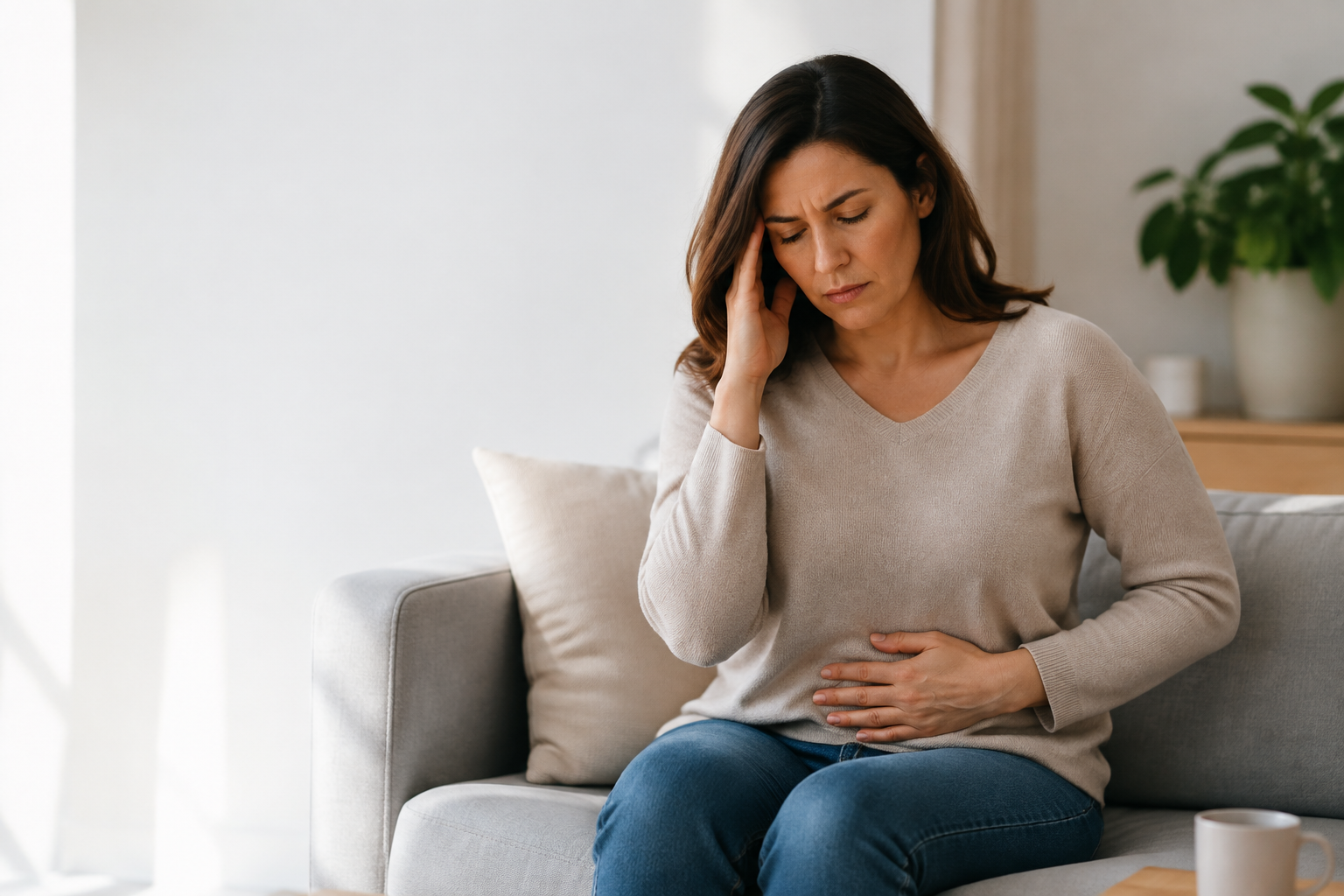
The Stress-Pelvic Floor Connection
Physiological Stress Response
When we experience stress, the autonomic nervous system becomes more active, preparing the body to respond to a perceived threat. This can affect muscle tension, breathing and the way our nervous system processes pain.
Research by Brasil et al. (2020) found a significant association between psychological stress and endometriosis. Their systematic review and meta-analysis found that psychological stress was common among women with endometriosis, supporting the importance of considering stress as part of the overall management of the condition.
Stress has also been linked with bladder symptoms. Rothrock, Lutgendorf et al. (2001) found that higher daily stress was associated with increased bladder pain and urinary urgency in women with interstitial cystitis.
These findings suggest that stress may be an important contributing factor in pelvic pain and bladder symptoms. It may also contribute to increased muscle guarding and difficulty relaxing the pelvic floor.
Non-Relaxing Pelvic Floor Dysfunction
The pelvic floor muscles need to both contract and relax to function normally. In some people, these muscles may become overactive or have difficulty fully relaxing. This is often referred to as non-relaxing pelvic floor dysfunction.
Symptoms may include:
- Pelvic or lower abdominal pain
- Urinary urgency or frequency
- Difficulty emptying the bladder
- Constipation or difficulty with bowel movements
- Pain during sexual activity
- Pelvic floor muscle tension or discomfort
Stress and anxiety may contribute to increased muscle guarding, particularly in people already experiencing pain or pelvic symptoms. Over time, this can contribute to a cycle of stress, muscle tension and increased symptoms.
Common Stress-Related Pelvic Floor Symptoms
Stress affects everyone differently. For some people, periods of increased stress may coincide with changes in their pelvic floor symptoms.
This may include increased pelvic pain or tension, bladder urgency or frequency, bowel difficulties, pain during sexual activity or difficulty relaxing the pelvic floor.
These symptoms can have many different causes. A pelvic health assessment can help identify whether pelvic floor muscle tension, coordination or other factors are contributing.
How Can Pelvic Floor Physiotherapy Help?
Pelvic floor physiotherapy aims to identify the factors contributing to your symptoms and develop an individualised treatment approach.
If assessment identifies an overactive or non-relaxing pelvic floor, treatment may focus on improving relaxation and coordination rather than simply strengthening the muscles.
Depending on your assessment, treatment may include:
- Pelvic floor relaxation and down-training
- Breathing and relaxation strategies
- Pelvic floor coordination exercises
- Movement and exercise therapy
- Bladder or bowel management strategies
- Education about pain and pelvic floor function
- Stress-management or mindfulness strategies when appropriate
- Manual therapy when clinically indicated
Research supports physiotherapy as part of the management of chronic pelvic pain. A review by Berghmans (2018) found that physiotherapy can contribute to the multidisciplinary assessment and treatment of chronic pelvic pain and female sexual dysfunction.
A systematic review and meta-analysis by Bittelbrunn et al. (2023) also examined pelvic floor physiotherapy and mindfulness approaches for women with chronic pelvic pain, supporting their use as part of a broader management approach.
The goal of treatment is not simply to “relax” the pelvic floor. It is to help restore normal muscle function, improve the ability to contract and relax appropriately, and address other factors that may be contributing to symptoms.
An Individualised Approach to Pelvic Floor Health
Stress can be an important factor in pelvic floor health, particularly when it contributes to increased muscle tension, pain or difficulty relaxing the pelvic floor.
However, every person is different. Some people need pelvic floor strengthening, while others need relaxation, coordination, bladder or bowel retraining, or a combination of approaches.
A pelvic health physiotherapist can assess your pelvic floor function, symptoms, breathing and movement patterns and develop a treatment program based on your individual needs.
If you are experiencing persistent pelvic pain, bladder or bowel symptoms, pain during sexual activity or difficulty relaxing your pelvic floor, a pelvic floor physiotherapy assessment can help identify the factors contributing to your symptoms and guide appropriate treatment.
Research Sources
Brasil DL, Montagna E, Trevisan CM, et al. (2020). Psychological stress levels in women with endometriosis: systematic review and meta-analysis of observational studies. Minerva Medica, 111(1), 90–102.
Rothrock NE, Lutgendorf SK, Kreder KJ, Ratliff TL, Zimmerman B. (2001). Stress and symptoms in patients with interstitial cystitis: a life stress model. Urology, 57(3), 422–427.
Berghmans B. (2018). Physiotherapy for pelvic pain and female sexual dysfunction: an untapped resource. International Urogynecology Journal.
Bittelbrunn CC, de Fraga R, Martins C, et al. (2023). Pelvic floor physical therapy and mindfulness: approaches for chronic pelvic pain in women—a systematic review and meta-analysis. Archives of Gynecology and Obstetrics, 307, 663–672.
Booking with Pelvic Prime & Physiotherapy