
Pudendal Neuralgia: Effective Pain Relief and Recovery
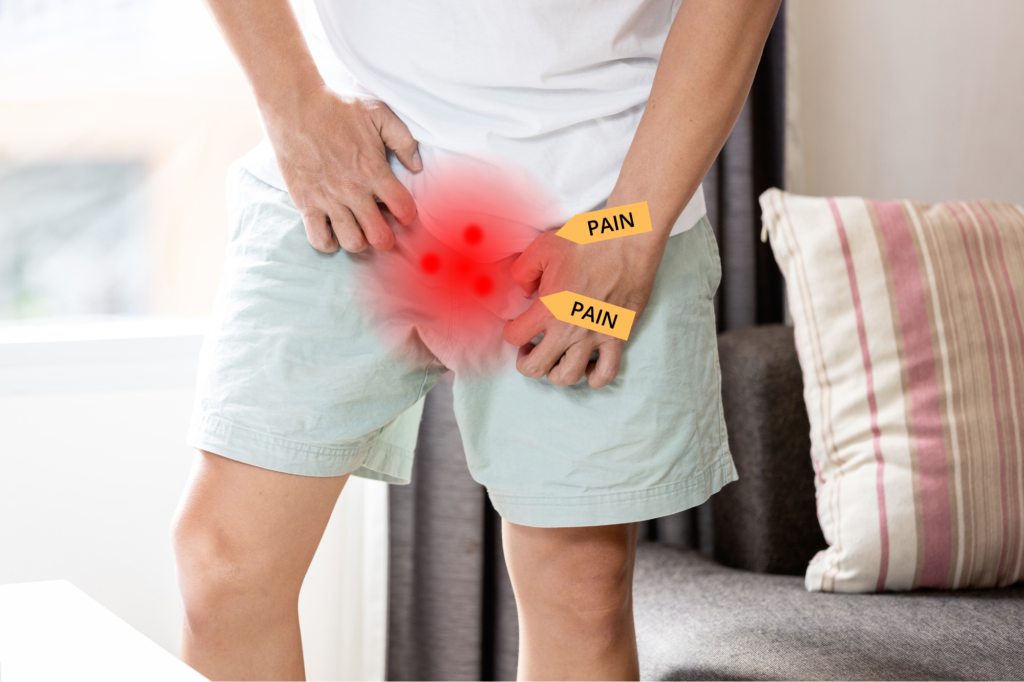
Pudendal neuralgia – motor control and reflex function is a chronic pain condition affecting the pudendal nerve, which supplies sensation to the genitals, perineum and surrounding areas. It can cause burning, sharp or electric shock-like pain that makes sitting, daily activities and intimacy extremely difficult.
Effective treatment requires a comprehensive approach that addresses both pain and underlying contributing factors.
Understanding Pudendal Neuralgia
What is Pudendal Neuralgia?
Pudendal neuralgia occurs when the pudendal nerve is irritated, compressed or entrapped along its course through the pelvis. This can lead to:
- Burning or aching pain
- Electric shock or stabbing sensations
- Numbness or altered sensation
- Painful bowel movement or urination
- Pain with sexual activity
The condition can affect people of all genders and is sometimes underdiagnosed because of its complex presentation.
Common Causes
Pudendal nerve irritation or compression may be related to:
- Prolonged sitting, especially on hard surfaces
- Cycling or repetitive pressure on the perineal area
- Childbirth trauma
- Pelvic surgery or scar tissue
- Tight pelvic floor muscles, overactive pelvic floor
- Direct pelvic trauma or falls
- Anatomical variations
A comprehensive assessment from a pelvic health physiotherapist and your medical team is important for identifying likely contributors.
Symptoms of Pudendal Neuralgia
Common symptoms include:
- Pain in the genitals, perineum, anus, buttocks or lower abdomen
- Pain that worsens with sitting and improves when standing or lying
- Burning, stabbing or electric shock sensations
- Feeling of a foreign object in the rectum or vagina
- Sexual discomfort or pain
- Urinary urgency, frequency or difficulty emptying
- Bowel changes or pain with bowel movements
Symptoms can develop gradually or start suddenly after an injury or specific event.
Treatment Options for Pudendal Neuralgia
Conservative Management
First-line management often focuses on reducing nerve compression and addressing contributing muscle tension. This can include:
- Pelvic floor physiotherapy to release tight muscles around the nerve using manual therapy, &stretching
- Breathing strategies for relaxation & core strengthening exercises
- Education on posture and sitting positions to reduce pressure
- Activity modification to avoid aggravating positions or tasks
- Pain-relief strategies, including medications prescribed by your doctor
Your physiotherapist may also recommend supportive cushions, pacing strategies and, where appropriate, hydrotherapy or gentle physiotherapy to keep you moving comfortably.
Specialised Interventions
If conservative care is not enough on its own, your pain specialist or doctor may discuss:
- Pudendal nerve blocks
- Image-guided injections
- Other interventional pain procedures
Pelvic Floor Physiotherapy often continues alongside these treatments to support long-term function and recovery.
Lifestyle Changes
Lifestyle strategies can make day-to-day life more manageable:
- Using appropriate cushions or seating supports
- Taking regular movement breaks from sitting
- Avoiding or modifying aggravating activities (e.g. prolonged cycling)
- Incorporating stress reduction and nervous system calming techniques
Your pelvic floor physiotherapist can help you develop an individualised plan.
Treatment Options for Endometriosis
Conservative Management (Generally mild – moderate cases)
Non-surgical options are often used first and can include:
- Regular gentle exercise
- Stress reduction and pacing
- Heat therapy
- Anti-inflammatory medications (as advised by your doctor)
- Hormonal treatments (e.g. the pill, IUD, progestin-only options) to reduce bleeding and pain
Pelvic floor physiotherapy can help manage pelvic muscle tension and pain, improving comfort with movement, intercourse and daily activities. Many women also benefit from integrating physiotherapy and clinical Pilates into their program.
Surgical and Advanced Options (Generally moderate to severe cases)
If conservative management doesn’t provide adequate relief, your specialist may discuss:
- Laparoscopic surgery to locate and remove endometriosis lesions
- More advanced hormonal therapies
- Fertility-focused treatments if appropriate
Pelvic floor physiotherapy is often used alongside medical and surgical care to optimise function and reduce pain.
Expert Pudendal Neuralgia Care in Brisbane
Pelvic Prime & Physiotherapy Clinic offers specialised assessment and treatment for pudendal neuralgia. Our pelvic floor physiotherapists understand the complexity of nerve-related pelvic pain and work closely with you and your broader healthcare team to:
- Reduce muscle tension contributing to nerve irritation
- Improve sitting tolerance and daily function
- Support sexual, bladder and bowel function
- Provide education and self-management strategies
You can read more about our men’s pelvic health services and women’s health physiotherapy to see how we support different patient groups.
Book Pudendal Neuralgia Treatment in Brisbane
If pudendal neuralgia is affecting your ability to sit, work or enjoy daily life, we’re here to help. Call 07 3366 0480 or contact us online to arrange a consultation. You can also leave a comment or question if you’re unsure where to start. Review our service fees before your appointment so you know what to expect.